
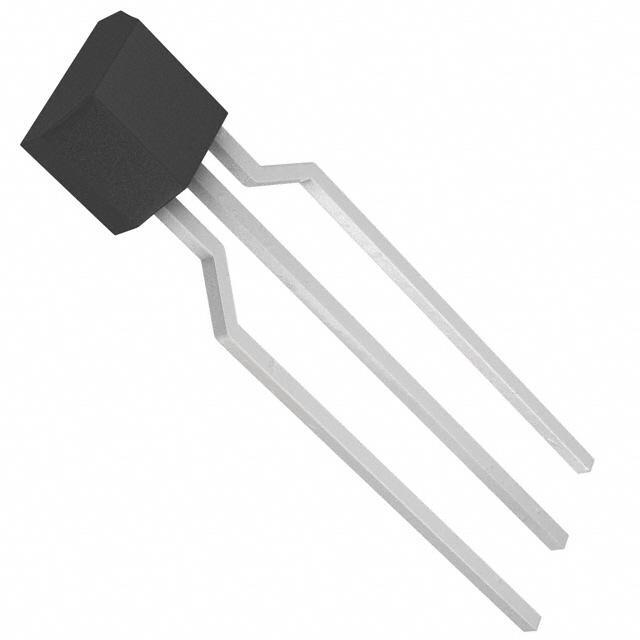
50V, 500mA, 300mW, PNP pre-biased transistor in SPT/SC-72 formed leads; fit is narrow and lifecycle is closed.
Quick Engineering Summary
| Field | Value |
|---|---|
| Manufacturer | Rohm Semiconductor |
| Category | Transistors (BJT) - Single, Pre - Biased |
| Package | SPT |
| Core function | TRANS PREBIAS PNP 50V 0. |
| Key electrical range | Current - Collector (Ic) (Maximum): 500mA; Current - Collector Cutoff (Maximum): 500nA; DC Current Gain (hFE) (Minimum) @ Ic, Vce: 47 @ 50mA, 5V; Frequency - Transition: 200MHz |
| Reported stock | 1 pcs reported — confirm on RFQ |
50V is useful, but it doesn't rescue an EOL line
50V sets the collector-emitter breakdown ceiling, so it decides first whether this device can even sit on the rail without immediate overstress. It does not tell you the part is comfortable there in normal service, and it does not answer switching loss, thermal rise, or transient margin because those details are not shown here.
The call is straightforward: not for new design-in. DTB143ESTP is marked EOL and obsolete with no lifecycle conflict, and RoHS compliance helps only if you are keeping an existing build alive.
The weak point is supply, then the electrical fit gets narrow
The weak point comes first: stock is 1. That alone makes DTB143ESTP a sustaining-only part, because even a clean electrical fit cannot support a live release when available quantity is effectively sample-level.
After that, the fit gets narrow. The 500mA collector current is a listed maximum, so use it as a ceiling rather than a normal operating point. The 300mW power limit is the other hard stop, and in a small SPT, through-hole SC-72 formed-lead package it may end the design before the current rating does. At the low-current end, 300mV VCE(sat) at 2.5mA and 50mA points to modest saturated-switch use, while the built-in 4.7k R1 and 4.7k R2 favor simple biasing and remove resistor freedom.
Buy only for support
Sustaining only.
With EOL status and a listed quantity of 1, reserve DTB143ESTP for existing production support, debug, or failure analysis. Don't add it to a new approved vendor list.
Wrong for flexible bias networks, right for simple PNP switching
Flexible bias networks are where this part falls short. DTB143ESTP is a pre-biased PNP with 4.7k on R1 and 4.7k on R2 already fixed, so the convenience is real but the tuning range is gone.
That makes it a better match for small, simple switching jobs where the resistor network is meant to be built in and where through-hole mounting is still acceptable. The minimum hFE of 47 at 50mA and 5V gives some confidence around that point, and the 200MHz transition frequency says the transistor itself is not unusually slow, but neither number settles a high-speed switching choice because the listing does not include the time-domain behavior that would actually define edge performance. In practice, DTB143ESTP fits straightforward bias-and-switch roles, not designs that need resistor optimization, dense SMT assembly, or a fresh lifecycle runway.
300mW leaves the biggest unanswered questions thermal and dynamic
300mW is the decisive ceiling after lifecycle, because it is the figure most likely to stop a real design once current and voltage look acceptable on a first pass.
The missing support around that number is the real problem. No thermal resistance is given, so there is no direct path from 300mW to junction temperature. No derating curve is shown, so ambient headroom stays unknown. No pinout or package drawing appears here, which blocks footprint and assembly checks even though the package is named as SC-72 formed leads and the manufacturer package as SPT.
The dynamic picture is thin too. The 200MHz transition frequency cannot stand in for turn-on or turn-off behavior in a logic-driven switch when switching-time data is absent. Another gap matters in fault handling: beyond the 500mA collector maximum, no surge or overload figure is shown. For DTB143ESTP, that leaves the sustaining decision resting on hard ceilings without the thermal and dynamic context needed to close the review.
View the Win-Source product page for DTB143ESTP.
Key Takeaways for Engineers & Buyers
- Block new BOM releases for DTB143ESTP; lifecycle is EOL.
- Treat 50V VCEO and 300mW as hard ceilings when checking any sustaining design.
- Reserve the listed 1 piece only for line-down support or failure analysis.