
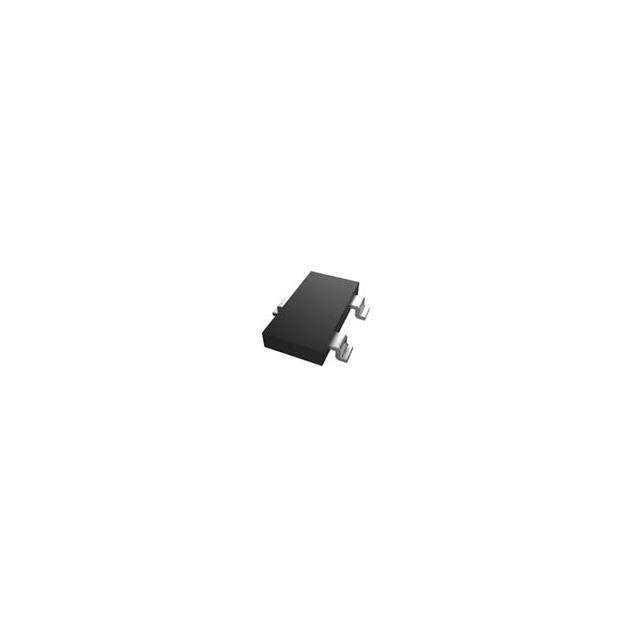
50 V VCEO ceiling, 100 mA collector ceiling, 200 mW limit, SOT-323 package
Quick Engineering Summary
| Field | Value |
|---|---|
| Manufacturer | Micro Commercial Co |
| Category | Transistors (BJT) - Single, Pre - Biased |
| Package | Bulk |
| Core function | TRANS PREBIAS NPN 50V SOT323 |
| Key electrical range | Current - Collector (Ic) (Max): 100 mA; Current - Collector Cutoff (Max): 500nA; DC Current Gain (hFE) (Min) @ Ic, Vce: 80 @ 10mA, 5V; Frequency - Transition: 250 MHz |
| Reported stock | 60000 pcs reported — confirm on RFQ |
The weak point is compliance, not lifecycle
The weak point comes first: the compliance story is split. One field says RoHS Compliant and another says RoHS Non-Compliant, so EU RoHS status is still unresolved even though the lifecycle picture is straightforward.
Beyond that, the part is Active, with 60000 in stock and no lifecycle conflict. That is enough to treat DTC143ZUA-TP as a live option for new design-in rather than a sustaining-only buy. Use it where the built-in 4.7 kOhms base resistor is the point, and keep the release gate closed until the manufacturer declaration matches the exact part.
100 mA is the ceiling that keeps this transistor honest
100 mA is the collector-current ceiling, and it defines the kind of work DTC143ZUA-TP can do.
This is a small pre-biased NPN in SOT-323, not a general-purpose small-signal transistor you can press into any switching job. The 100 mA Current - Collector (Ic) (Max) sets a hard upper bound, and the 200 mW Power - Max adds a second limit that matters just as much once the part is asked to sink a real load. Those are ceilings, not operating points.
The 50 V collector-emitter breakdown ceiling broadens the rail range, but only to a point. It says the part can sit on something higher than basic logic rails; it does not say the device is comfortable with every switching condition that may appear there, especially when the node can ring, avalanche, or see repetitive stress. This listing does not include the curves that would settle that question.
One operating clue is useful. Vce saturation is listed as 300mV @ 500µA, 10mA, which points to low-voltage pull-down behavior at 10mA collector current with 500µA base drive into the internal network. Add the minimum hFE of 80 @ 10mA, 5V and the intended role is clear: logic-driven biasing and modest switching, not current-heavy stages.
So where does DTC143ZUA-TP actually belong?
So it belongs in the quiet corners: level shifting, inverter stages, pull-downs, and simple load control where the built-in 4.7 kOhms resistor saves a placement and the SOT-323 footprint matters more than current headroom.
It is wrong for designs that need resistor-ratio choice, higher collector current, or a thermal model you can close from the listing alone.
What would stop a buyer from using it tomorrow?
Can I put it on a controlled BOM without getting surprised later?
Mostly, yes. Stock is listed at 60000, lifecycle is Active, and the package is Bulk with a Standard Package of 1 pcs, so the supply signal supports ongoing builds and small turns.
The blocker is paperwork, not availability. Because DTC143ZUA-TP carries a direct RoHS contradiction, don't release it until that point is resolved. The listing also leaves out the pinout, package drawing, thermal resistance, and any derating curve, which are the missing pieces for land pattern, heat, and ambient-headroom decisions.
View the Win-Source product page for DTC143ZUA-TP.
Key Takeaways for Engineers & Buyers
- Keep DTC143ZUA-TP on low-current bias and switching nodes; 100 mA collector current is the ceiling.
- Budget dissipation around the 200 mW package limit before using DTC143ZUA-TP as a loaded pull-down.
- Stop release until the EU RoHS conflict is cleared for DTC143ZUA-TP.