
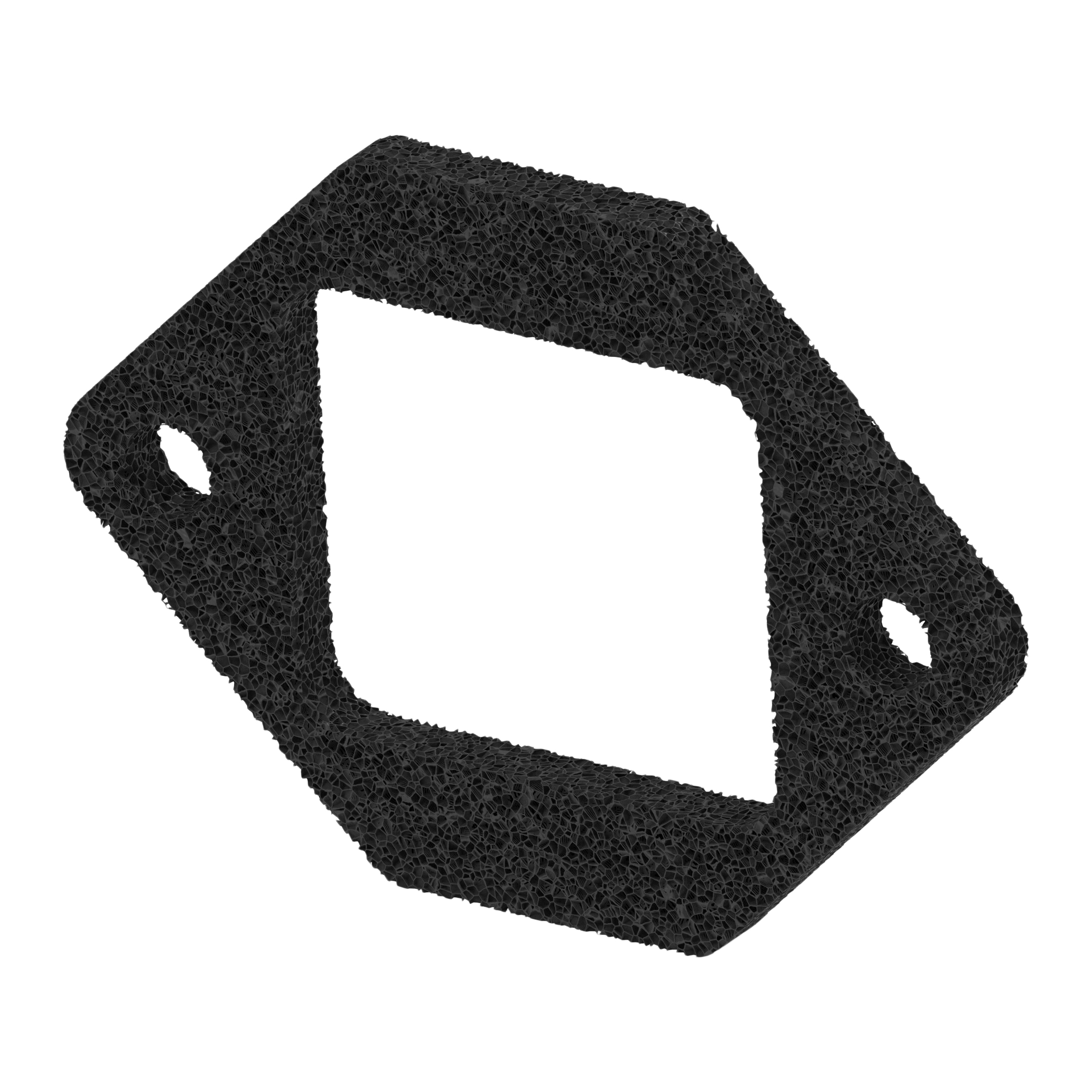
2-position free-hanging receptacle housing with IP68/IP6K9K features and -55°C to 125°C operation
Quick Engineering Summary
| Field | Value |
|---|---|
| Manufacturer | TE Connectivity |
| Category | Rectangular Connector Housings |
| Package | Bulk |
| Core function | CONN RCPT HSG 2POS |
| Key electrical range | Supply and Demand Status: Shortage; Temperature Range - Operating: -55°C ~ 125°C |
| Reported stock | 2038 pcs reported — confirm on RFQ |
Can you start a new build on DTM04-2P-P006?
Can we release this into a new build? Yes, with one caution. DTM04-2P-P006 is Active, so lifecycle is not the blocker; supply is, because demand is marked Shortage.
The fit is specific in a useful way. This is a 2-position receptacle housing with crimp termination, male pin contact type, and free-hanging in-line mounting. If your harness needs that geometry and sealing feature set, it fits cleanly. If you need board mounting, more ways, or a different termination style, this listing rules it out fast. EU RoHS is compliant.
2 positions decide the harness before sealing does
2 positions set the first hard limit. Along with the 1-row layout, that count decides circuit capacity and connector body format before the IP68 and IP6K9K features matter.
The free-hanging in-line mount places this housing in cable-to-cable or cable-end harness work, not at a board edge and not as a panel interface unless another mechanical system handles that job. Crimp termination pushes the build toward wire processing, contact insertion, and retention checks rather than soldering. This is a harness part.
The listed operating range of -55°C to 125°C is a ceiling, not a promise about every assembled connector system around it. It keeps DTM04-2P-P006 in play for cold-start and hot-zone harnesses, but it does not answer what the mated pair, contacts, seals, or current loading will do there.
-55°C to 125°C keeps the environment wide
-55°C to 125°C is the decisive environmental figure. It keeps ambient temperature from being the first reason to reject DTM04-2P-P006.
That still leaves key review points open. The housing is plastic, gray, and uses a latch holder, but this listing gives no contact rating, no wire range, and no mating retention force. The temperature range says the housing family can remain in harsh ambient conditions; it does not say what current the finished connection can carry there or how much insertion and extraction abuse the latch will tolerate in service.
The real risk is supply, and the datasheet gaps are mechanical
So the decision comes back to supply. Stock is listed at 2038 pieces, yet demand is flagged Shortage, which makes this a poor candidate for routine replenishment if it is tied to a running harness build. Put it on allocation watch and line up required quantity against the build schedule before the BOM is released into production.
The other gaps are concrete. DTM04-2P-P006 is described as a receptacle housing with male pin contact type, but the listing does not include the mating connector reference, compatible contacts, or wire size range. Those items decide whether the crimp process and harness diameter fit the cavity system. It also does not carry a drawing or dimensional envelope, so package fit, latch clearance, and bundle routing stay open.
One more omission stands out because the features line includes Resistor. The listing does not explain that resistor function, value, placement, or how it is integrated into DTM04-2P-P006. If that resistor is part of keying, sensing, or circuit identification, getting it wrong shows up as a harness variant error, not a cosmetic mismatch.
View the Win-Source product page for DTM04-2P-P006.
Key Takeaways for Engineers & Buyers
- Reserve DTM04-2P-P006 early if the line needs more than 2038 pieces; shortage is already flagged.
- Match the harness to a 2-position, 1-row free-hanging receptacle housing before releasing the BOM.
- Confirm the mating connector and crimp contact set for DTM04-2P-P006; this housing listing does not carry them.