
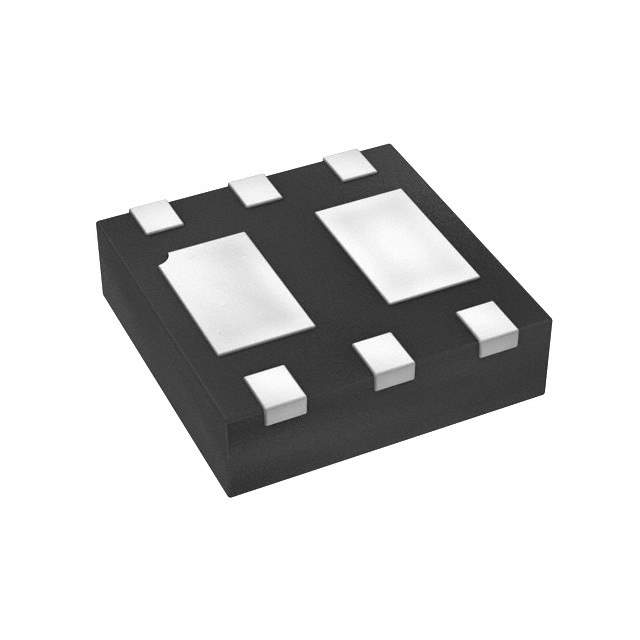
25V PNP, 20 N-Channel, 3A ceiling in U-DFN2020-6; EOL status is the real constraint.
Quick Engineering Summary
| Field | Value |
|---|---|
| Manufacturer | Diodes Incorporated |
| Category | Transistors - Special Purpose |
| Package | 6-UDFN Exposed Pad |
| Core function | TRANSISTOR ARRAY U-DFN2020-6 T\\u0026R |
| Key electrical range | Current Rating (Amps): 3A; Supply and Demand Status: Sufficient; Voltage - Rated: 25V PNP, 20 N-Channel |
| Reported stock | 1 pcs reported — confirm on RFQ |
25V and 20 decide the rail fit, but EOL decides the part
25V on the PNP side and 20 on the N-Channel side set the first hard limits. Those numbers quickly place DTM3A25P20NFDB-7 in low-voltage switching work, but they still leave the important questions open: switching loss, saturation behavior, and how much margin remains once temperature rises.
The lifecycle call is the real decision point. DTM3A25P20NFDB-7 is marked EOL, so new design-in stops there even if the package and current ceiling look workable. For existing production, the package details still matter: U-DFN2020-6 (Type B), 6-UDFN exposed pad, SMD. That combination points to a compact board-mounted array where footprint density matters more than hand assembly, and it does so in a package small enough that thermal behavior depends heavily on the board rather than the outline alone.
EU RoHS compliance helps, and MSL 1 (Unlimited) removes a handling concern. Neither changes the outcome. Keep DTM3A25P20NFDB-7 only where it is already qualified, and move the migration search forward now rather than after supply disappears completely.
3A is a ceiling, not a promise of easy current handling
3A is the decisive figure here.
It is a ceiling, not an easy operating point. That puts DTM3A25P20NFDB-7 in range for moderate current paths inside a small array package, but it says nothing about how much current each transistor can carry in the real board, waveform, copper area, or ambient.
Package size matters. This is a 6-UDFN exposed pad device, not a roomy leaded transistor, so reading 3A as comfortable current instead of a limit is where trouble starts. The mixed device pairing also narrows the target use case: PNP and N-Channel belong where that combination is deliberate, not where a generic single-transistor substitute would do.
The weak point is missing detail, not board density
The weak point is the missing detail. Dense SMD fit is clear, but pinout, package drawing, thermal resistance, and the electrical curves behind the 25V, 20, and 3A limits are the items that would close a sustaining review.
Buy only to cover a running line
Buy shallow.
Availability is the constraint. DTM3A25P20NFDB-7 shows stock quantity 1, while packaging is reel and manufacturer pack quantity is 3,000, so this is not a practical base for a fresh build or even a comfortable buffer unless the need is very small and immediate. Reserve it against existing production demand, then push the migration work ahead of the next shortage event.
View the Win-Source product page for DTM3A25P20NFDB-7.
Key Takeaways for Engineers & Buyers
- Block DTM3A25P20NFDB-7 from new BOM releases; EOL is explicit.
- Match the 25V PNP and 20 N-Channel rated limits before touching an existing board spin.
- Check reel planning against the 3,000 pack quantity; listed stock is 1.