
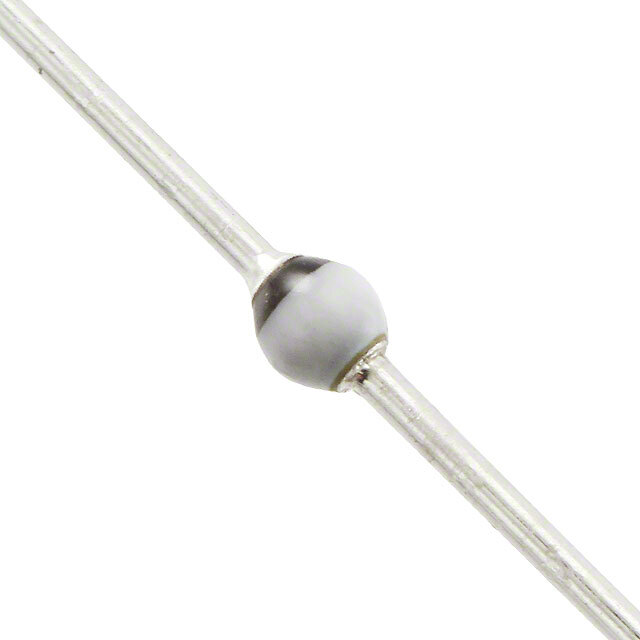
1200 V reverse ceiling, 30 A average rectified ceiling, TO-220AB through-hole, -55°C to 150°C junction
Quick Engineering Summary
| Field | Value |
|---|---|
| Manufacturer | Littelfuse Inc. |
| Category | Diodes, Rectifiers - Single |
| Package | TO-220-3 |
| Core function | DIODE STANDARD 1200V 30A TO220AB |
| Key electrical range | Current - Average Rectified (Io): 30A; Current - Reverse Leakage @ Vr: 250 µA @ 1200 V; Operating Temperature - Junction: -55°C ~ 150°C; Supply and Demand Status: Shortage |
| Reported stock | 1 pcs reported — confirm on RFQ |
Active part, constrained buy
Buy it carefully.
Lifecycle is not the problem. Active status is consistent, with no conflict in the lifecycle signals, so DUR30120 is viable for new design-in on that basis alone. Supply is what changes the decision. A shortage flag and stock of 1 turn this from an easy add to a controlled buy, especially when the build depends on a single through-hole rectifier footprint and there is no room to re-spin around another package.
The ratings support high-voltage rectification first. The 1200 V DC reverse rating is a ceiling, and the 30 A average rectified rating is a ceiling too. That puts the part in power paths where reverse headroom and real current handling matter, but it does not settle the thermal picture by itself. The listed 2.75 V at 30 A is the number that can consume the package budget long before the current rating looks comfortable, particularly in TO-220AB. EU RoHS is straightforward here and does not complicate the call.
The package is easy; the heat budget is not
And that is why the forward-drop line matters more than the category label. 2.75 V @ 30 A is not a promise of cool operation; it is the listed forward-drop ceiling at the stated current, and in a TO-220AB body that figure decides whether the thermal plan is realistic or whether the diode becomes the hot part on the board.
The 100 ns reverse recovery time keeps DUR30120 in the fast-recovery camp rather than a slow line-frequency rectifier, so it fits switching power stages better than a generic mains bridge role. Still, trr alone does not close switching loss or EMI behavior. The reverse leakage figure, 250 µA @ 1200 V, is also a ceiling tied to the full reverse stress point. That helps when off-state loss and high-temperature blocking matter, but it does not replace the leakage curve over temperature near the top of the -55°C to 150°C junction range.
1200 V narrows the use case fast
1200 V sets the lane.
DUR30120 belongs in high-voltage rectification, not low-voltage rails where a 2.75 V forward-drop ceiling would be hard to justify. Through-hole TO-220-3 points to board-mounted power hardware, not dense surface-mount layouts.
Can you keep a running line on it?
Can you actually keep it in stock?
Only if you move early. DUR30120 comes in tube packaging, which suits manual or conventional through-hole handling, but the immediate constraint is the shortage signal with stock at 1. For an existing production build, secure material now rather than assume spot availability will cover the next pull.
One more gap matters before release: there is no surge current figure here. For front-end or recharge duty, that missing limit leaves startup and fault tolerance unresolved even when the steady-state numbers look usable.
View the Win-Source product page for DUR30120.
Key Takeaways for Engineers & Buyers
- Hold the 1200 V figure as a reverse ceiling, not a bus target.
- Budget conduction loss around 2.75 V at 30 A before committing TO-220AB.
- Lock supply early; shortage status and stock of 1 can stall a build.