
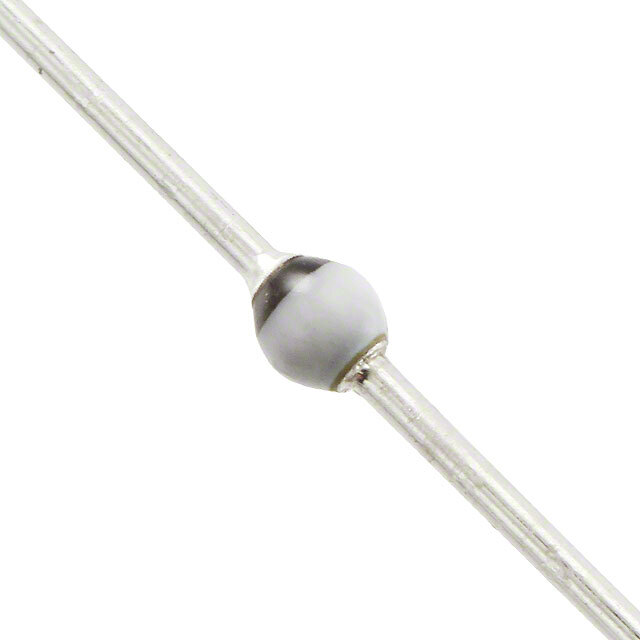
600 V reverse ceiling, 60 A average rectified ceiling, 50 ns trr, TO-247AC through-hole
Quick Engineering Summary
| Field | Value |
|---|---|
| Manufacturer | Littelfuse Inc. |
| Category | Diodes, Rectifiers - Single |
| Package | TO-247-2 |
| Core function | DIODE STANDARD 600V 60A TO247AC |
| Key electrical range | Current - Average Rectified (Io): 60A; Current - Reverse Leakage @ Vr: 100 µA @ 600 V; Operating Temperature - Junction: -55°C ~ 150°C; Supply and Demand Status: Shortage |
| Reported stock | 242 pcs reported — confirm on RFQ |
600 V is the first gate
600 V is the first gate. If the rail lives too close to that reverse ceiling, DUR6060W does not belong there.
Then the current and drop set the heat budget
And the next gate is current. The 60 A average rectified rating is a ceiling, not a promise that any assembly can run there without thermal work, and the listed 2 V @ 60 A forward drop makes the tradeoff obvious: push toward the top end of current and conduction loss becomes the design problem before package familiarity does.
The 50 ns reverse recovery time also matters. In a rectifier position where switching loss and commutation behavior drive the choice, that concrete trr number carries more weight than the separate fast recovery =< 500ns, > 200mA (Io) speed label, which is only a category.
The package points to bolted power stages, not dense SMT power
The constraint is mechanical as much as electrical. TO-247-2, supplier package TO-247AC, and through-hole mounting place this device in board-level power stages that can accept a large leaded body and the assembly flow that comes with it.
It is the wrong fit for compact surface-mount converters or layouts that need multiple parallel devices packed tightly with short interconnects. It fits better in mains rectification, high-current freewheel paths, and similar hardware where creepage, lead spacing, and serviceable power construction matter more than placement density. The -55°C to 150°C junction range adds environmental headroom, but it remains a junction limit, not an answer on finished-assembly ambient margin.
Buy it for active programs, but don’t confuse stock with comfort
Buy carefully.
DUR6060W is Active, so lifecycle alone does not argue against new design-in, and EU RoHS keeps compliance from becoming the issue. Supply does. The combination of Shortage status and stock of 242 is enough to matter if this diode is already tied to a running line, and it is not enough to make a steady build cadence comfortable.
For sustaining designs, secure coverage first so the line keeps moving. For a fresh design, commit only after the package and thermal approach are already settled, because DUR6060W is not a casual footprint choice and the listing does not include the thermal resistance numbers needed to judge how hard the TO-247AC body can be pushed in a real assembly.
The missing items are concrete and important: no junction capacitance, no thermal resistance, no surge current figure, and no pinout or mechanical drawing here. Those gaps decide switching behavior, thermal path, fault survival, and whether the board lands match the device you think you are buying.
View the Win-Source product page for DUR6060W.
Key Takeaways for Engineers & Buyers
- Hold DUR6060W to buses that stay inside the 600 V reverse ceiling.
- Budget conduction loss around the listed 2 V @ 60 A forward-drop point.
- Cover the shortage now if DUR6060W is already on a running build.