
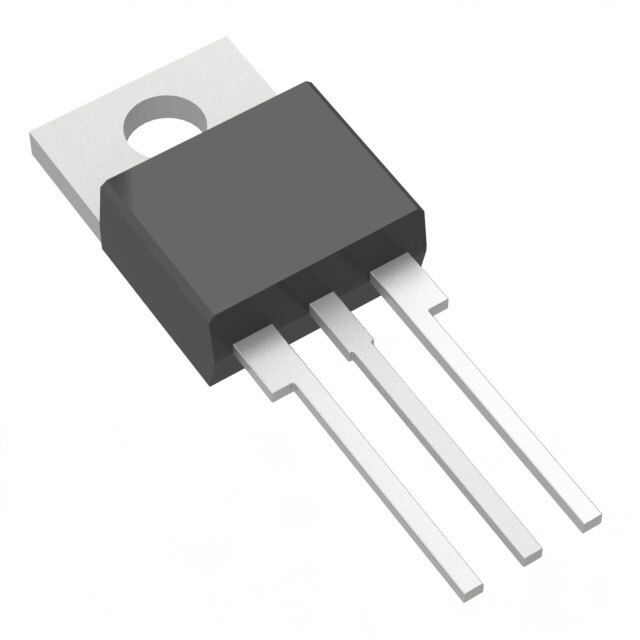
200 V reverse ceiling, 10 A per diode ceiling, TO-263 D2Pak, -55°C to 150°C junction
Quick Engineering Summary
| Field | Value |
|---|---|
| Manufacturer | Littelfuse Inc. |
| Category | Diodes, Rectifiers - Arrays |
| Package | TO-263-3, D²Pak (2 Leads + Tab), TO-263AB |
| Core function | DIODE ARRAY GP 200V 10A TO263 |
| Key electrical range | Current - Average Rectified (Io) (per Diode): 10A; Current - Reverse Leakage @ Vr: 15 µA @ 200 V; Operating Temperature - Junction: -55°C ~ 150°C; Supply and Demand Status: Normal |
| Reported stock | 1 pcs reported — confirm on RFQ |
Good part, awkward buy
Good part. Awkward buy.
For new work, this one makes sense when the topology needs a common-cathode pair in TO-263 and the supply plan gets locked down early, because the electrical case is clear enough while the inventory picture is not. The part sits in the fast-rectifier lane with a 200 V reverse ceiling, 10 A average rectified current per diode ceiling, 35 ns reverse recovery, and a 150°C junction ceiling, so it belongs in board-level power stages rather than low-current signal cleanup. Active lifecycle and EU RoHS remove the usual qualification noise.
Availability is the real friction point. One stock field shows 1, while another quantity field shows 23960, and those figures support completely different release decisions. That gap matters more than any marketing label on the page, especially when the package is Tape & Reel and the practical question is whether a shippable reel position exists now or whether the part only covers samples and early spins.
The weak point is dissipation, not voltage headroom
The weak spot is heat. Voltage is the easier call.
1.15 V @ 10 A is the number that lands first in the design review, because conduction loss will shape copper and thermal-path decisions well before anyone runs out of reverse-voltage class. The 200 V reverse rating is a ceiling, useful for deciding whether the rail and its transients belong in this rectifier class at all, but it says little about how comfortably the design will run there.
The 10 A average rectified rating is also a ceiling per diode, not a standing operating promise for every ambient and pad layout. Add the -55°C to 150°C junction range and you get temperature reach, not a free pass on dissipation. DURB2020CT gives you a fast-recovery path with 35 ns trr, and it still asks for a real thermal plan.
35 ns puts it in switching rectification, not slow mains cleanup
35 ns sets the tone.
That trr is what separates this device from a generic slow rectifier and makes it relevant where commutation loss or recovery behavior shows up in efficiency or ringing. The listing also tags it as Fast Recovery <= 500ns, > 200mA (Io), but the tighter figure is the one worth using.
The configuration tells the rest of the story. A 1 Pair Common Cathode device in TO-263 fits compact secondary rectification, freewheel paths, and other board-mounted power stages that want two diodes sharing a cathode node in a surface-mount flow. It is the wrong shape for through-hole serviceability and the wrong category if the circuit needs a single discrete diode or a bridge.
What the listing still doesn't answer
Wrong for final thermal signoff; right for early selection.
The missing piece is thermal detail. DURB2020CT still needs thermal resistance and a derating curve before ambient headroom can be judged in a real layout, because the 150°C junction limit is only a ceiling until the path from junction to board is defined.
IFSM and a package drawing also matter. Surge current sets startup and fault-edge tolerance, while the drawing closes land pattern and tab usage without guesswork.
View the Win-Source product page for DURB2020CT.
Key Takeaways for Engineers & Buyers
- Hold reverse stress below the 200 V ceiling; that number does not buy surge margin by itself.
- Budget conduction loss around the 1.15 V @ 10 A forward-drop limit, not around a typical you don't have.
- Resolve stock depth before release: one field shows 1, another shows 23960.