
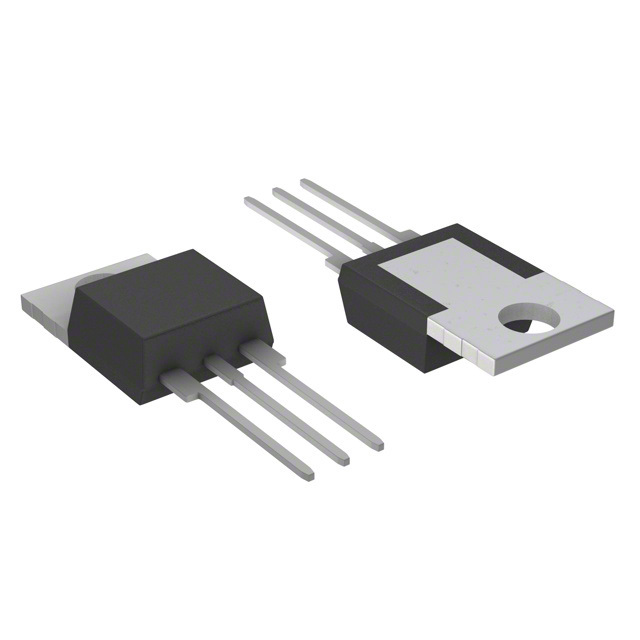
400 V reverse ceiling, 10 A per diode, 1.3 V at 10 A, isolated TO-220-3 through-hole package
Quick Engineering Summary
| Field | Value |
|---|---|
| Manufacturer | Littelfuse Inc. |
| Category | Diodes, Rectifiers - Arrays |
| Package | TO-220-3 Full Pack, Isolated Tab |
| Core function | DIODE ARRAY GP 400V 10A ITO220AB |
| Key electrical range | Current - Average Rectified (Io) (per Diode): 10A; Current - Reverse Leakage @ Vr: 10 µA @ 400 V; Operating Temperature - Junction: -55°C ~ 150°C; Supply and Demand Status: Shortage |
| Reported stock | 2 pcs reported — confirm on RFQ |
Can you start a new build on this device?
Can you actually get enough of it? That is the first question.
Yes, for a new design, if the topology is exactly what you need: a common-cathode pair in an isolated TO-220-3 full-pack body with through-hole mounting. DURF2040CT is marked Active, so lifecycle does not block a fresh design, and EU RoHS fits that call.
Supply is the catch. Stock is 2 and the demand flag is Shortage, so this is not a casual release choice for any build that needs immediate volume. For a running line, secure material first. For a new program, proceed only when the package and common-cathode arrangement are fixed enough that a later change would cost more than waiting now.
The weak point is supply; the strong point is the electrical envelope
Shortage comes first, and it matters more than the Active label because a part you can't get still stops a line.
The electrical picture, though, is clear enough to make a direct call. The 400 V DC reverse rating is a ceiling, not a working point. If worst-case reverse stress goes past that number, DURF2040CT is out. What that rating does not answer is switching behavior under load, because reverse voltage alone says nothing about recovery loss or ringing.
Current rating is just as firm. The 10 A average rectified current is a ceiling, and it is stated per diode, which sets branch-current headroom for the common-cathode pair. It does not answer surge survival or fault tolerance, because no nonrepetitive surge figure appears here.
Then there is the forward-drop budget: 1.3 V at 10 A. Those numbers belong together, and they make conduction loss a real thermal input near the top of the listed current, especially in a full-pack isolated body where packaging convenience often trades against heat flow. The junction range of -55°C to 150°C is a limit window, not ambient permission, so the thermal path still has to be closed with actual thermal data.
45 ns is the number that makes it more than a plain mains rectifier
45 ns is the decisive figure. Along with the fast-recovery class callout, it puts DURF2040CT into switch-mode rectification work where recovery behavior matters, not just low-frequency bulk rectification.
What the listing still does not tell you
The constraint is thermal confidence.
DURF2040CT gives you 1.3 V at 10 A and a 150°C junction ceiling, but it does not give the thermal resistance that ties those numbers to board and heatsink choices.
The missing items are concrete: thermal resistance, surge current, and the package drawing or pinout. Thermal resistance decides whether the isolated tab package can carry your loss budget in the enclosure you actually have. Surge current decides whether startup or fault pulses are survivable. The drawing and pinout matter because common-cathode parts are easy to misread in layout when the body looks familiar and the internal connection does not.
View the Win-Source product page for DURF2040CT.
Key Takeaways for Engineers & Buyers
- Check the rail against the 400 V reverse ceiling before approving DURF2040CT.
- Budget conduction loss from 1.3 V at 10 A; that pair sets the thermal burden.
- Place a buy now if this is for production; stock is 2 and status is Shortage.