
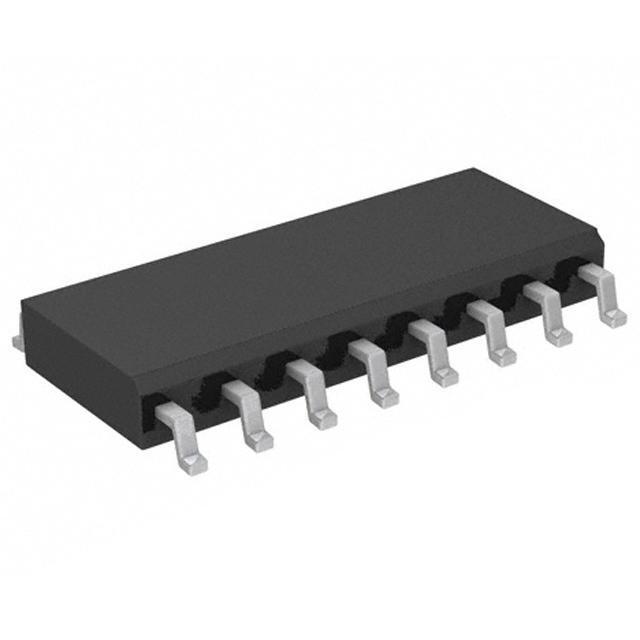
EOL status, stock of 1, bare-board packaging, and BQ2004E-only purpose decide this one fast.
Quick Engineering Summary
| Field | Value |
|---|---|
| Manufacturer | Texas Instruments |
| Category | Evaluation and Demonstration Boards and Kits |
| Package | Not listed for this part |
| Core function | EVAL BOARD FOR BQ2004E |
| Key electrical range | Supply and Demand Status: Balance |
| Reported stock | 1 pcs reported — confirm on RFQ |
Can you still buy DV2004ES1 for a real job?
Only for a narrow one. DV2004ES1 is EOL, stock is 1, and the sensible use left is sustaining lab work around BQ2004E. RoHS status is conflicted too, so even compliance is not settled.
Its weak point is supply, but the purpose is at least unambiguous
The weak point comes first: DV2004ES1 is already at end of life, and available quantity is 1. That rules out any plan that assumes repeatable access to the same evaluation hardware across multiple engineers, sites, or build phases. If this board becomes part of a validation flow, the flow breaks the moment that one unit is damaged, misplaced, or tied up on another bench.
What is clear is the role. This is an evaluation and demonstration board, supplied as Board(s), with the utilized IC named as BQ2004E and the main purpose called out as Power Management, Battery Charger. That settles one decision and leaves another open: DV2004ES1 belongs in charger bring-up and comparison work around BQ2004E, but it says nothing about production hardware fit, connector scheme, measurement points, or how much of the charger operating range the board actually exposes.
Packaging matters here as well. The package field says bulk, and the storage note calls for a dry storage cabinet and humidity protection package. For a bench accessory that may sit for long periods before use, that's a handling constraint, not a performance spec.
The constraint is continuity, not electrical headroom
Continuity is the limit here, not voltage or current. No voltage, current, or temperature limits are present to design around. That absence is the story. DV2004ES1 is listed as an eval board for BQ2004E, but the numbers that would decide charger range, thermal behavior, and safe bench abuse are missing, so this page cannot close anything about rail margin or dissipation.
What the listing does give you is category fit. DV2004ES1 belongs in development systems, specifically evaluation and demonstration boards and kits, for battery charger work. It does not belong on a production BOM, and it does not solve a long-running support problem because EOL status and a quantity of 1 turn every future debug session into a scavenger hunt.
Wrong for production support; right for one bench question
Wrong for production support first: DV2004ES1 is not the board to standardize on for training, factory support, or any validation plan that needs more than one repeatable setup. EOL status, one unit in stock, and a fake-threat figure of 60 pct. in the open market make outside replenishment a bad fallback.
Right use is much smaller. If you need one known evaluation board for BQ2004E work now, and only now, DV2004ES1 can still serve as a bench reference or a quick reproduction platform for an existing charger experiment.
After that, the concrete gaps take over: no schematic-level detail, no board drawing or connector map, no pinout exposure, and no operating limits for the assembled board. Those missing items tell you whether the board is merely present or actually useful.
View the Win-Source product page for DV2004ES1.
Key Takeaways for Engineers & Buyers
- Do not release DV2004ES1 on a new BOM; lifecycle is EOL.
- Reserve the single available unit for a BQ2004E bench need, not line support.
- Resolve the RoHS Compliant versus RoHS Non-Compliant conflict before any controlled build.