
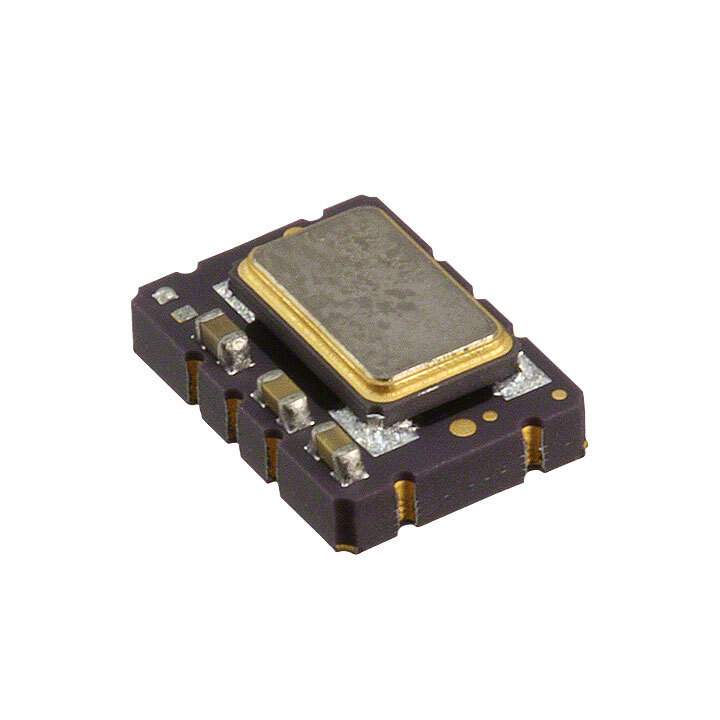
20 MHz TCXO, 3.3V, 6mA max, LVCMOS, -40°C to 85°C, 4-SMD no-lead package
Quick Engineering Summary
| Field | Value |
|---|---|
| Manufacturer | Connor-Winfield Corporation |
| Category | Oscillators |
| Package | Tape & Reel |
| Core function | XTAL OSC TCXO 20. |
| Key electrical range | Current - Supply (Max): 6mA; Frequency: 20 MHz; Frequency Stability: ±280ppb; Output: LVCMOS |
| Reported stock | 1 pcs reported — confirm on RFQ |
Use it for new builds, but clear the stock picture first
Good for new design-in.
The lifecycle call is straightforward: Active, no conflicting lifecycle signal, and EU RoHS compliant. MSL 1 (Unlimited) removes storage handling from the main discussion.
Availability is the real issue. One field shows stock quantity 1, while another shows 2264, and that mismatch can stop a build long before any formal lifecycle change does.
The 3.3V rail and 6mA ceiling decide the easy part
And that only settles the easy part. The 3.3V supply places DV75C-020.0M on a 3.3V clock rail, but this listing says nothing about tolerance to other rails, startup behavior, or supply sensitivity. The 6mA figure is a maximum supply ceiling, not a typical draw to assume in every state.
The more decisive spec is ±280ppb frequency stability. That is why a TCXO belongs in the conversation when the timing budget has to hold across -40°C to 85°C, because a clock that looks acceptable on the bench can still drift out of margin in the field when temperature moves.
Wrong for loose timing, right for compact 20 MHz clocking
Wrong for designs that can live with a loose reference. DV75C-020.0M fits when the job calls for temperature compensation, a fixed 20 MHz output, and an LVCMOS interface in a surface-mount footprint.
The package details are clear: 4-SMD, no-lead, 7.00mm x 5.00mm body, 0.094" (2.40mm) maximum seated height, and tape-and-reel packaging with a standard package of 250. That points to a board-level timing part, not hand-loaded service stock or a layout that only has room for a smaller oscillator class. LVCMOS narrows the fit further. If the receiving logic needs another output style, DV75C-020.0M does not solve that.
The missing electrical detail is what still blocks a clean signoff
Missing electrical detail is the constraint. The listed numbers cover frequency, rail, package, and operating range, but they stop short of the behavior that closes a clock-source review.
The gaps are concrete. There is no pinout, so placement and net assignment still depend on the datasheet. There is no output enable behavior, startup time, or waveform detail, so reset sequencing and clock-valid timing remain open. There is no supply tolerance figure, no aging spec, and no phase-noise or jitter information, which is where a TCXO either earns its place or gets cut from a tighter timing chain.
That leaves DV75C-020.0M in a narrow but useful position. It stays on the shortlist for a 20 MHz compensated clock because the package, interface, and stability line up with that role, but release is not closed until those missing electrical details are in hand.
View the Win-Source product page for DV75C-020.0M.
Key Takeaways for Engineers & Buyers
- Hold the rail at 3.3V; this listing gives no alternate supply option for DV75C-020.0M.
- Budget 6mA as the supply ceiling in the clock tree power plan.
- Resolve the quantity split before release: stock shows 1 while another quantity shows 2264.