
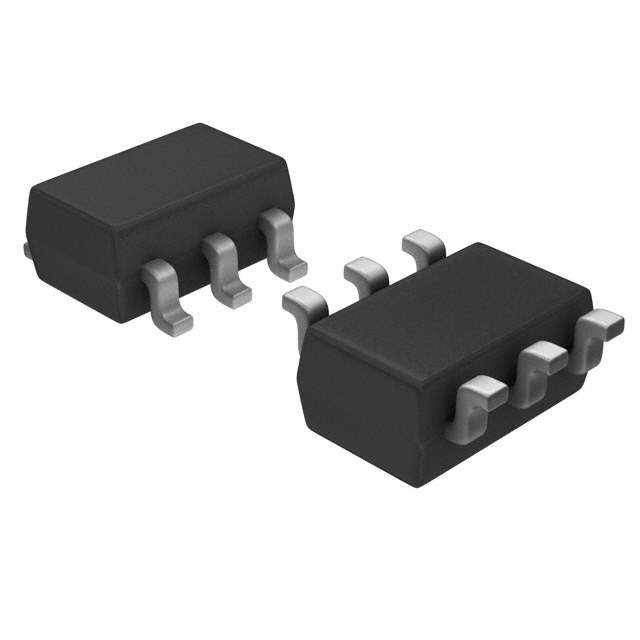
5V stand-off, 17V clamp, 5A peak pulse, SOT-23-6L, -40°C to 150°C junction
Quick Engineering Summary
| Field | Value |
|---|---|
| Manufacturer | STMicroelectronics |
| Category | TVS - Diodes |
| Package | SOT-23-6L |
| Core function | TVS DIODE 5VWM 17VC SOT23-6L |
| Key electrical range | Capacitance @ Frequency: 0.85pF @ 1MHz; Max Clamping Voltage: 17V; Minimum Breakdown Voltage: 6V; Peak Pulse Current(Ippm): 5A (8/20μs) |
| Reported stock | 11800 pcs reported — confirm on RFQ |
Sustaining part only
Do not design this in.
The lifecycle call is already made. DVIULC6-4SC6Y is marked EOL, and that settles the new-design question before you get to the electrical limits. For existing production, the listed 11800 stock and reel packaging support a controlled last-time buy against the remaining build plan. EU RoHS is compliant.
One conflict does need a name. A separate status field says Active, but the lifecycle block and Lifecycle Status both say EOL, and those two signals line up. Treat DVIULC6-4SC6Y as EOL unless the manufacturer states otherwise.
17V clamp is the real rail decision
17V is the ceiling that matters.
On DVIULC6-4SC6Y, the maximum clamping voltage decides whether the protected node can survive an ESD or surge event that rises that high before the array pulls it down. If the downstream silicon cannot tolerate that excursion, the 5V stand-off does not rescue the design.
The other hard limit is 5A (8/20μs) peak pulse current. That ceiling is tied to a specific waveform, so it says nothing about repetitive stress, long-cable abuse, or a different pulse shape. The 6V minimum breakdown voltage belongs in the same check: conduction starts above the 5V stand-off, but that is not a normal operating point. Miss that distinction and you either leak on the rail or let too much voltage through during the hit.
Where this array still makes sense
That leaves a narrow fit.
DVIULC6-4SC6Y still belongs on low-voltage, high-speed lines where 0.85pF @ 1MHz and four unidirectional channels matter more than raw surge energy. The steering rail-to-rail topology and SOT-23-6L package fit dense board-level I/O protection, not exposed power entry.
The missing numbers are the review blocker
The constraint is incomplete stress detail.
EOL is one problem, but the bigger review blocker is that the listing stops before the numbers that close protection and thermal risk. You can place DVIULC6-4SC6Y in a schematic quickly, yet several decisions still hang open.
There is no junction capacitance curve beyond 0.85pF @ 1MHz, so frequency-dependent loading is still unclear. There is no thermal resistance, including RθJC, so the package heat path remains unknown. There is no pinout or package drawing here, so layout and channel assignment still depend on the datasheet. There is also no surge derating curve or alternate pulse information beyond 5A (8/20μs), and that gap is often what separates a clean lab result from a field return.
View the Win-Source product page for DVIULC6-4SC6Y.
Key Takeaways for Engineers & Buyers
- Block new BOM releases on DVIULC6-4SC6Y; lifecycle is EOL.
- Keep protected rails at or below the 5V stand-off ceiling.
- Confirm the surge case against the 17V clamp and 5A (8/20μs) pulse limit.