
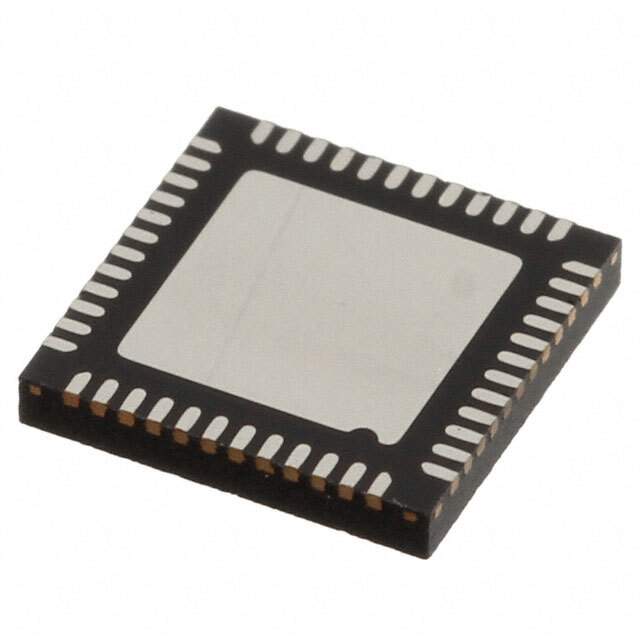
IR-UWB at 3.5GHz ~ 6.5GHz, 2.8V ~ 3.6V supply, 48-QFN (6x6), -40°C ~ 85°C
Quick Engineering Summary
| Field | Value |
|---|---|
| Manufacturer | Decawave Limited |
| Category | RF Transceiver ICs |
| Package | 48-QFN (6x6) |
| Core function | IC RF TXRX 802. |
| Key electrical range | Operating Temperature Range: -40°C ~ 85°C; Supply and Demand Status: Limited |
| Reported stock | 28000 pcs reported — confirm on RFQ |
28000 on hand supports a real build plan
28000 pieces puts DW1000-I-TR13 in the real-build category. Active lifecycle status, no stated conflicts, and EU RoHS compliance make new design-in reasonable.
Supply-and-demand is still listed as Limited, so buy to the build window.
Can you actually buy this the way your line consumes it?
Can you buy it in the form your line actually uses? Mostly yes, with one practical constraint. DW1000-I-TR13 comes on Reel - TR, quantity per package is 4000, and MSL 3 (168 Hours) starts the handling clock once reels are opened.
That makes the part a better fit for volume assembly than for cut-tape habits or tiny pilot lots. The stock number helps, but reel format and floor life can slow a build just as effectively as a missing electrical detail.
Those current numbers are ceilings on the power tree
And that carries straight into the rail decision. The listed supply range is 2.8V ~ 3.6V, so DW1000-I-TR13 belongs on a tightly controlled low-voltage rail, not on a design that expects wide input tolerance at the IC pins.
The 64mA receive current and 31mA transmit current are the listed current figures to carry into the regulator and battery budget. On the RF side, 3.5GHz ~ 6.5GHz and 802.15.4 IR-UWB place it in short-range UWB work inside that band, not in a generic sub-GHz or 2.4GHz transceiver slot.
The real fit is compact UWB, but the datasheet gaps are still material
The constraint is board density. A 48-QFN (6x6) surface-mount package with an exposed pad pushes the design toward compact boards that already know how to assemble fine-pitch RF silicon, and away from hand-built prototypes or layouts that treat the radio as an afterthought.
That package choice lines up with the rest of the listing. The operating temperature range is -40°C ~ 85°C, broad enough for plenty of industrial indoor equipment, tags, anchors, and fixed nodes, but it does not settle harsher qualification questions because no automotive, medical, or aerospace certification is stated. EAR99 helps with trade handling, not electrical fit.
The missing items are concrete and important. The listing does not include a pinout or a package drawing, and those omissions matter in a UWB transceiver more than they would in a simpler part. Thermal detail is thin too: the exposed pad is visible in the package name, but no thermal resistance figure is given here. One more gap reaches into system work: SPI is named, yet no interface timing detail appears, so firmware and host-side margin still depend on the full datasheet.
In other words, the fit is clear, but the last schematic and layout decisions still need the missing package, thermal, and interface details.
View the Win-Source product page for DW1000-I-TR13.
Key Takeaways for Engineers & Buyers
- Hold the rail inside 2.8V ~ 3.6V; that limit decides whether DW1000-I-TR13 even starts in your power tree.
- Plan assembly for MSL 3 (168 Hours) and reel packaging at 4000 per package.
- Use the 64mA receive and 31mA transmit figures in the power budget before committing a battery design.