
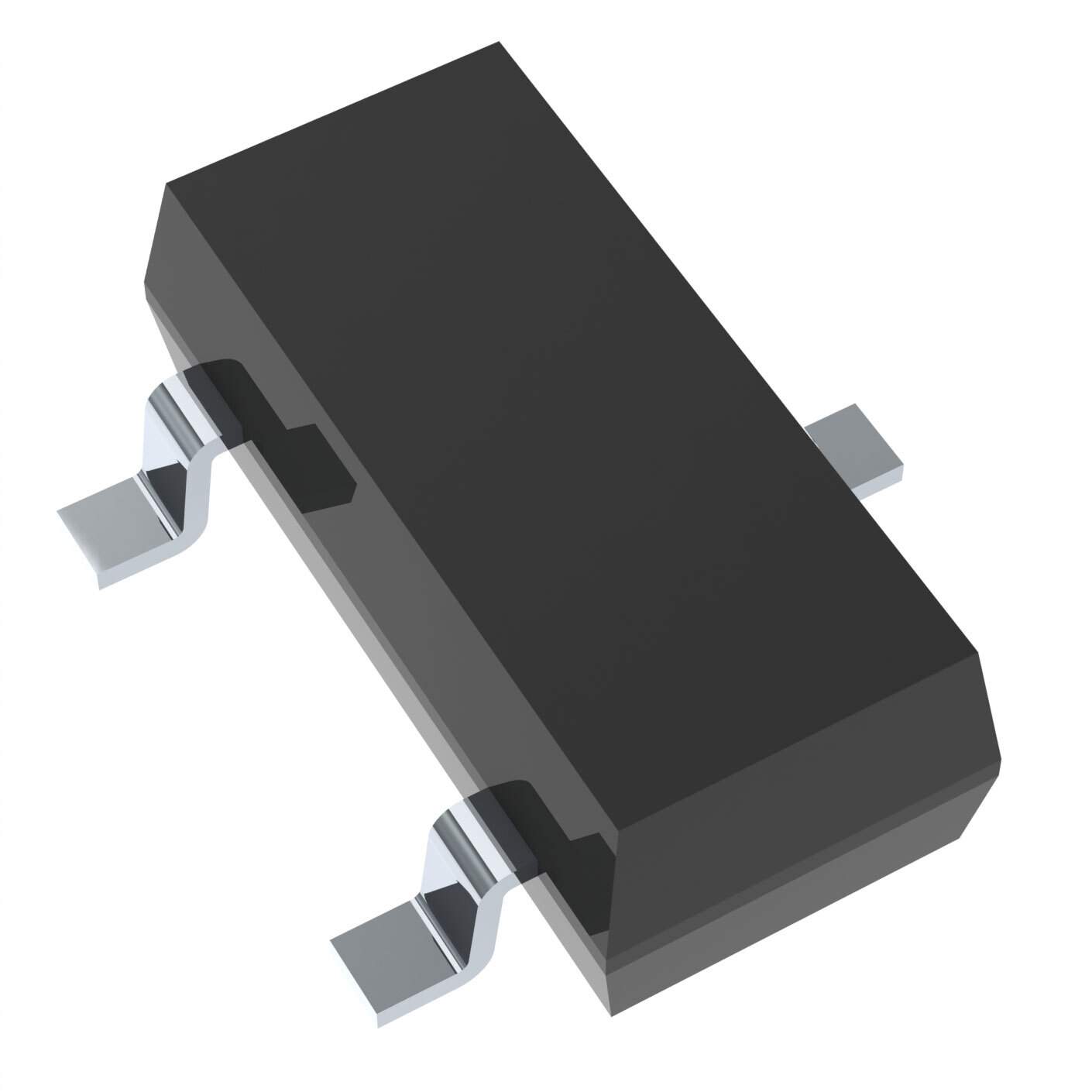
10 V, 300 mW, ±5%, SOT-23-3, -55°C to 150°C: compact clamp duty, with key curves still missing
Quick Engineering Summary
| Field | Value |
|---|---|
| Manufacturer | Vishay |
| Category | Diodes - Zener - Arrays |
| Package | SOT-23-3 |
| Core function | DIODE ZENER ARRAY 10V SOT-23-3 |
| Key electrical range | Operating Temperature Range: -55°C ~ 150°C; Supply and Demand Status: Balance |
| Reported stock | 15000 pcs reported — confirm on RFQ |
The real limit here is power, not package size
Power is the constraint. DZ23C10-E3-08 is a 10 V common-cathode zener pair in SOT-23-3, but the number that decides fit is the 300 mW maximum dissipation ceiling, and a small shunt or transient clamp can run into it faster than the package outline suggests.
The 10 V zener value sets the protection threshold, while the ±5% tolerance tells you how far that threshold can move. That is enough to frame coarse protection and reference work, but not enough to settle pulse handling, thermal headroom, or knee behavior, because this listing does not include a surge rating, derating curve, or thermal resistance.
300 mW makes this a signal-level clamp, not a dump path
300 mW is the decisive figure. It puts DZ23C10-E3-08 in light-energy trimming and clamping roles on a board, not in positions where the zener pair must absorb repeated heavy fault energy and survive without much margin.
The other number that matters is 15 Ohms maximum Zzt. Dynamic impedance sets how much the clamp voltage can shift as current rises, so if the protected node is sensitive to that movement, the nominal 10 V rating by itself does not answer the real question. A soft clamp can move stress downstream.
Leakage is listed as 100 nA at 7.5 V. That helps on high-impedance nodes where reverse leakage can bias a sense line or bleed stored charge over time. What it does not tell you is how the device behaves near breakdown, because the forward-voltage entry is blank and no curve is included here.
The operating temperature range spans -55°C to 150°C, and the series is marked Automotive, AEC-Q101. That is useful qualification data. It still does not mean the package can dissipate 300 mW at every ambient condition, and the missing derating information is what would answer that.
15000 on hand helps, 51 Weeks does not
15000 on hand helps. The listed 51 Weeks lead time is the catch, so DZ23C10-E3-08 works for new design-in only if you commit to reel flow early rather than count on easy replenishment later.
The missing curves are the review blocker
Use it carefully.
The open questions are concrete: forward voltage data is blank, thermal resistance is absent, there is no derating curve, and no surge or other pulse-handling figure is listed. Pinout and package drawing are missing here as well, even though the package names are present. Those are the details that decide whether the zener pair survives a real fault and whether the footprint is already locked.
Active status supports new designs when you need a compact 10 V zener array in SOT-23-3, and EU RoHS compliance plus MSL 1 help on the assembly side. Keep DZ23C10-E3-08 in low-energy clamp and reference-adjacent work, then pull the full datasheet for thermal, surge, and pinout details.
View the Win-Source product page for DZ23C10-E3-08.
Key Takeaways for Engineers & Buyers
- Treat 300 mW as the dissipation ceiling; place DZ23C10-E3-08 only where the clamp event is modest.
- Use the 10 V nominal zener value with the ±5% tolerance to check rail margin before freezing thresholds.
- Plan around 51 Weeks lead time and buy on reel if this stays on a running line.