
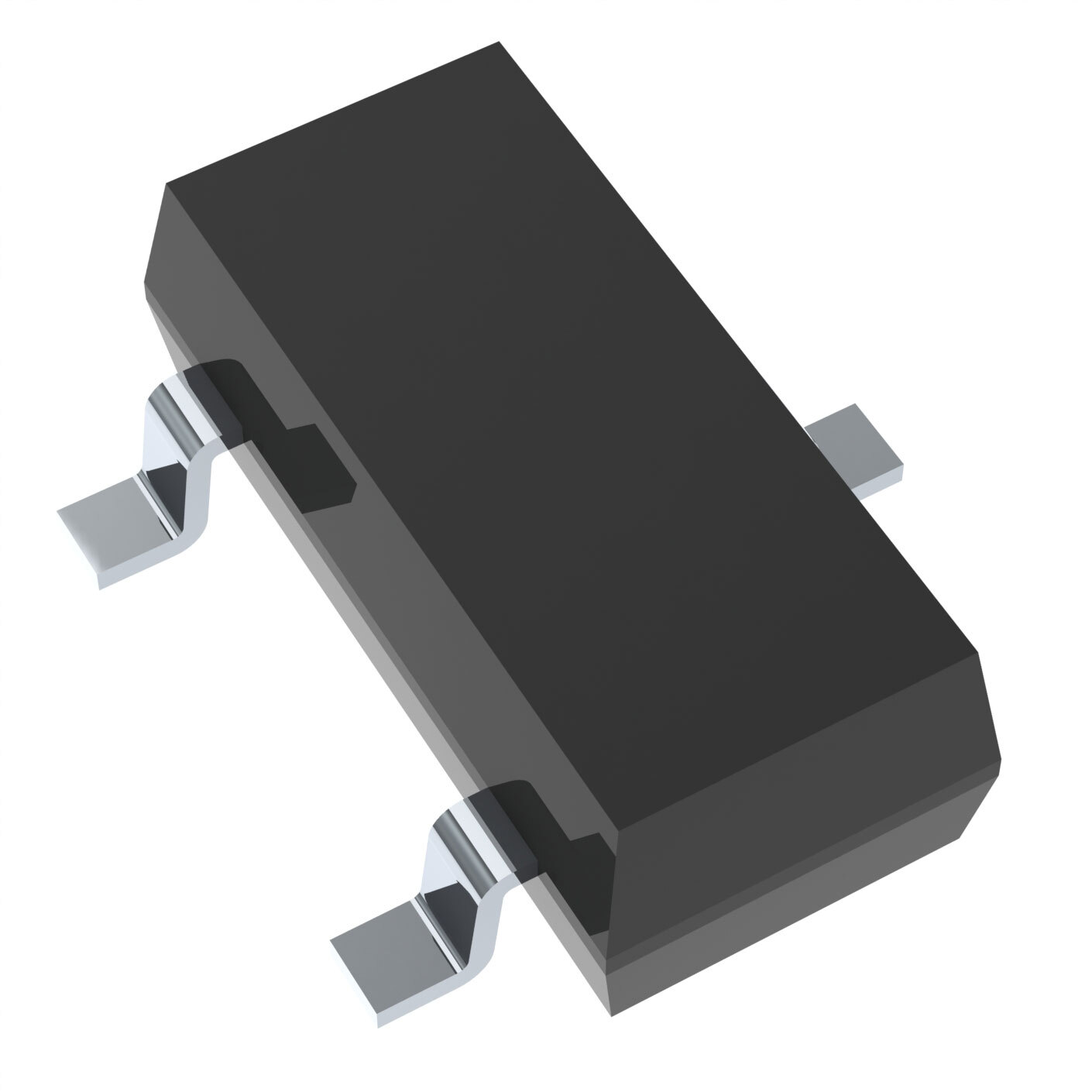
12 V nominal, 300 mW ceiling, SOT-23-3, -55°C to 150°C, common-cathode zener pair
Quick Engineering Summary
| Field | Value |
|---|---|
| Manufacturer | Vishay |
| Category | Diodes - Zener - Arrays |
| Package | TO-236-3, SC-59, SOT-23-3 |
| Core function | DIODE ZENER ARRAY 12V SOT-23-3 |
| Key electrical range | Current - Reverse Leakage @ Vr: 100 nA @ 9 V; Power - Max: 300 mW; Supply and Demand Status: Normal; Temperature Range - Operating: -55°C ~ 150°C |
| Reported stock | 10967 pcs reported — confirm on RFQ |
Good for new builds, with one clear use case
Use it.
Active status and low lifecycle risk make the sourcing call easy. The package and configuration make the application call nearly as easy: compact board-level clamp or reference duties that need a 1 pair common cathode arrangement in SOT-23-3. EU RoHS is straightforward here, not a decision driver.
What this still does not answer is circuit stress. The 12 V zener value and 300 mW maximum are fit limits, not proof that the part survives your surge profile or continuous dissipation.
12 V and 300 mW decide the rail, not the whole circuit
12 V sets the first boundary.
That nominal zener value quickly narrows the target nodes for DZ23C12-E3-18 to rails where a 12 V clamp window makes sense. It does not settle accuracy, because the listed tolerance is ±5%, so any threshold-sensitive design has to absorb that spread.
300 mW is the device power ceiling. In a SOT-23-3 body, that is the dissipation budget to respect, not a normal operating point. The 20 Ohms maximum impedance helps frame clamp stiffness under load, but without the full zener test conditions and curves, it still does not show how sharply the node holds during a transient.
The real fit is dense protection, not precision or surge work
The constraint is density.
Two zeners in a 1 pair common cathode configuration inside TO-236-3, SC-59, SOT-23-3 make sense on small-signal boards where a shared cathode saves routing space and where a discrete pair would take more area than the protection network deserves.
The reverse leakage listing, 100 nA @ 9 V, keeps this part in the conversation for high-impedance monitoring nodes and bias networks, but only at that stated reverse condition. It says nothing about leakage at 12 V, and it says nothing about behavior across temperature even though the operating range reaches -55°C to 150°C.
That range is an operating limit, not evidence that every board stackup or enclosure can hold the junction there, and the listing gives no surge current, no derating curve, and no thermal resistance, so the 300 mW ceiling cannot be translated into ambient headroom with confidence. For compact steady-state protection, yes. For abuse tolerance or tight clamp accuracy, the missing numbers matter more than the package convenience.
What the listing still doesn't answer
Wrong for surge-heavy protection.
Fine for compact board clamps. Missing here are surge or overload current, thermal resistance, derating curve, the zener voltage test conditions behind the 12 V nominal and 20 Ohms maximum impedance, and the pin-level drawing.
The buy constraint is packaging, not lifecycle
Can you buy it in the right format now?
The near-term answer looks solid: Active status, Normal supply and demand, tape-and-reel packaging, and 10967 in stock all point the same way.
For a running line, match the reel format to your feeder setup and pull coverage while stock is present.
View the Win-Source product page for DZ23C12-E3-18.
Key Takeaways for Engineers & Buyers
- Keep DZ23C12-E3-18 on rails that need a 12 V nominal clamp, not a tighter tolerance than ±5%.
- Budget dissipation against the 300 mW ceiling before sharing one SOT-23-3 footprint across both zeners.
- Buy tape-and-reel now if the line needs continuity; listed stock is 10967.