
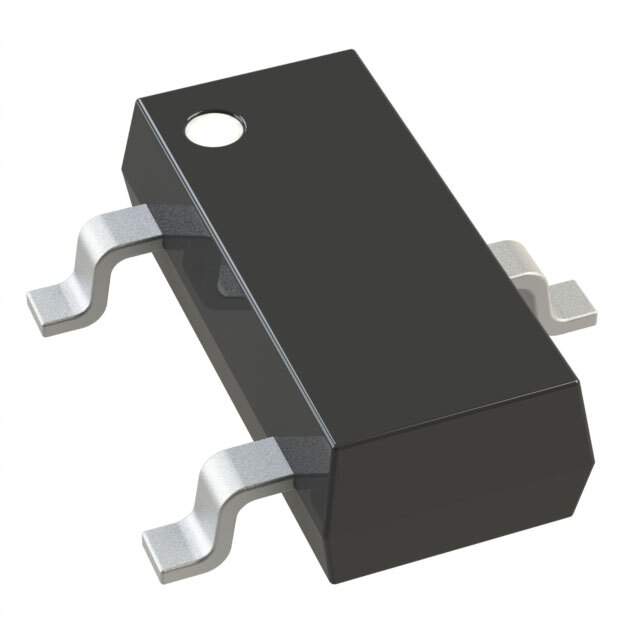
12 V zener array, 300 mW ceiling, SOT-23-3, -65°C to 150°C TJ, AEC-Q101 listed
Quick Engineering Summary
| Field | Value |
|---|---|
| Manufacturer | Diodes Incorporated |
| Category | Diodes - Zener - Arrays |
| Package | SOT-23-3 |
| Core function | DIODE ZENER ARRAY 12V SOT-23-3 |
| Key electrical range | Operating Temperature Range: -65°C ~ 150°C (TJ); Supply and Demand Status: Limited |
| Reported stock | 57000 pcs reported — confirm on RFQ |
300 mW is the number that decides this part
300 mW is the ceiling that decides whether this zener array fits. The 12 V value sets the clamp target, but the power limit closes the package choice in SOT-23-3. Active lifecycle and EU RoHS keep it open for new design-in.
The weak point is supply timing, not lifecycle
45 Weeks is the weak point, even with the part still listed Active. Supply-and-demand status is Limited, stock shows 57000, and packaging is Reel - TR at 3000 per package.
Buy it like a running line item. Keep reel quantity aligned to the build plan and avoid open-market scrambling; the listing also flags a 91 pct. fake threat in the open market, exactly the kind of risk that shows up when a common protection part slips on schedule.
What the listed limits do and do not settle
That supply picture matters because the electrical picture is only half closed. This is a 1 pair common cathode zener array at 12 V with ±5.41% tolerance, so it fits rail clamping and line protection where a nominal 12 V knee is the goal, not precision reference work where that spread would shift the threshold too far.
The 300 mW rating is a ceiling, not a working point, and in SOT-23-3 it sets the dissipation budget before the listing tells you how much ambient headroom is really available on the board. The leakage figure helps: 100 nA at 9 V keeps reverse leakage low at that stated condition, useful when the protected node cannot tolerate much standby loss.
The maximum impedance, 20 Ohms, is the other decision-maker. It says the clamp will not behave like an ideal brick wall, so if the transient budget is tight, that number and the missing dynamic curves become the next review stop. Temperature range is broad at -65°C to 150°C (TJ), but that is a junction limit range, not proof that the board will run there comfortably. AEC-Q101 is listed, and that gives the part a stronger footing in automotive-adjacent protection chains than a generic consumer-only array.
The missing pieces are the ones layout and stress need
57000 in stock only matters after the technical picture is closed. The gaps are concrete: no forward-voltage figure is listed, no pinout or package drawing is here, and there is no derating curve or thermal resistance. For a zener array in SOT-23-3, those details decide pad escape, polarity mistakes, and how close 300 mW can get to a real board.
One more omission matters if the clamp sees fast events: there is no capacitance figure. Without it, DZ23C12Q-7-F is harder to judge for signal lines where added loading can be as damaging as an underbuilt clamp.
View the Win-Source product page for DZ23C12Q-7-F.
Key Takeaways for Engineers & Buyers
- Treat 300 mW as the dissipation ceiling; the listing does not give a derating curve.
- Plan reel usage around 3000 per package and a listed 45 Weeks lead time.
- Use DZ23C12Q-7-F where AEC-Q101 matters, but pull the pinout and drawing before layout.