
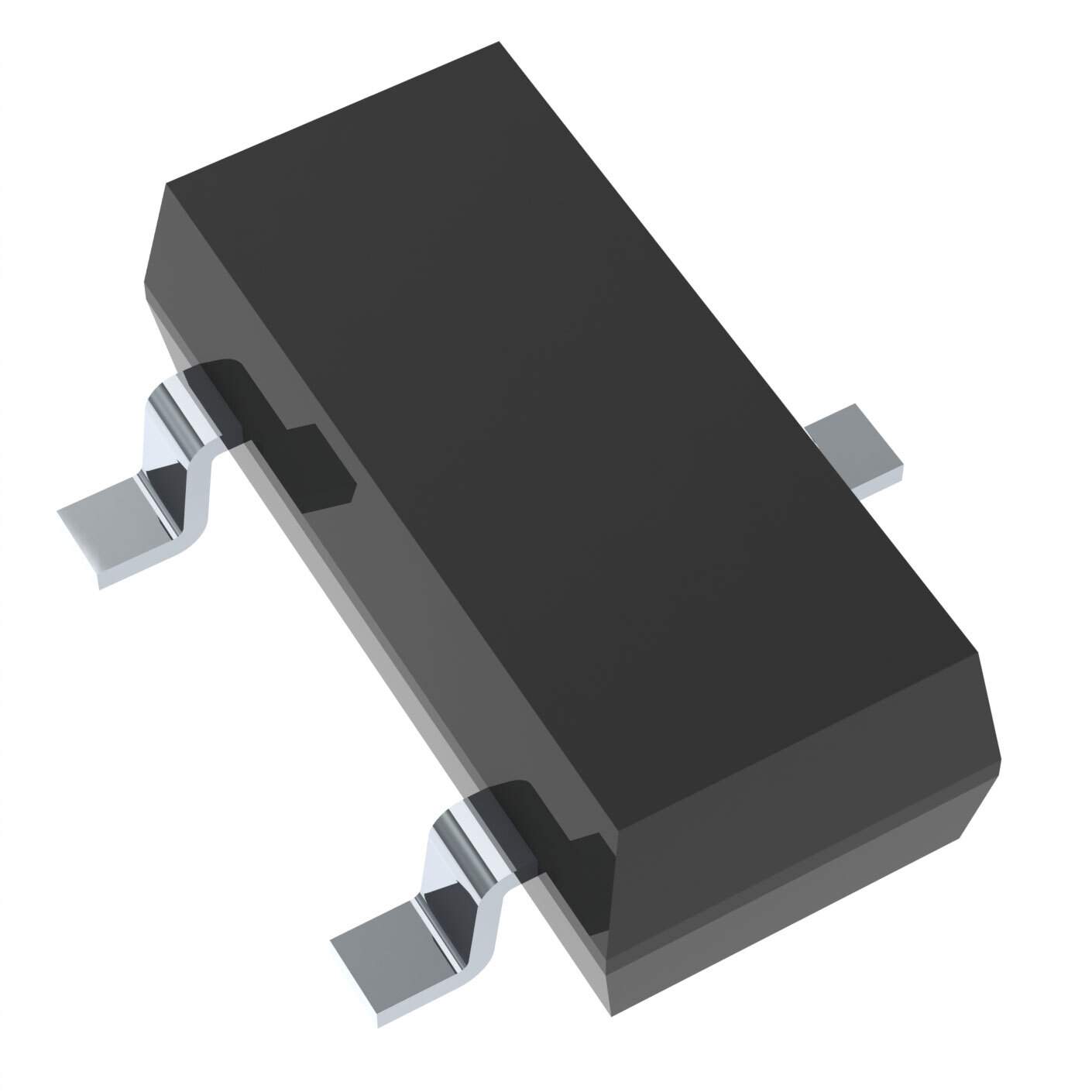
15 V zener pair, 300 mW ceiling, SOT-23-3, -55°C to 150°C range, AEC-Q101 line fit only
Quick Engineering Summary
| Field | Value |
|---|---|
| Manufacturer | Vishay |
| Category | Diodes - Zener - Arrays |
| Package | SOT-23-3 |
| Core function | DIODE ZENER ARRAY 15V SOT-23-3 |
| Key electrical range | Operating Temperature Range: -55°C ~ 150°C; Supply and Demand Status: Balance |
| Reported stock | 15000 pcs reported — confirm on RFQ |
300 mW is the ceiling that stops new design-in
300 mW is the ceiling that settles the question. With DZ23C15-HE3-08 already at EOL, there is no reason to start a new design around a small SOT-23-3 zener array with limited dissipation headroom and no future lifecycle runway.
What remains is a narrow sustaining role: a 1 pair common cathode 15 V zener array in SOT-23-3 for existing production that already uses this footprint and this clamp level. The -55°C to 150°C operating temperature range, the listed Automotive and AEC-Q101 series tag, and EU RoHS compliance keep it usable in harsh environments. None of that changes the lifecycle call.
The weak point is lifecycle, not the package
EOL is the problem; SOT-23-3 is not.
Surface mount and package fit are manageable, but end-of-life status is decisive. DZ23C15-HE3-08 still works for a frozen BOM where the electrical fit is already proven.
The constraint is clamp budget, leakage, and tolerance
The constraint the numbers create is straightforward: this device fits low-power rail clamp or protection work only when 15 V is the intended zener level, ±15% is acceptable spread, and 300 mW is enough dissipation ceiling for the event in question.
The 100 nA reverse leakage at 11 V matters more than it first appears. It is useful for off-state bias decisions around that reverse voltage, especially on a high-impedance node. It does not answer surge handling or dynamic clamp behavior.
So buy only for a frozen build, and mind the missing curves
And that leaves only one sensible buy posture: treat DZ23C15-HE3-08 as a sustaining part, not a platform choice. There are 15000 pieces listed, package is Reel - TR, quantity per package is 15000, and supply and demand is marked Balance. That can support a controlled production run when your assembly already takes SOT-23-3 and your documentation already expects a common-cathode zener pair, but it does not justify reopening a design around an EOL device with an estimated pruduction lead time of 51 Weeks hanging over any replenishment attempt.
The bigger limitation is what the listing does not include. You get nominal 15 V, ±15%, 300 mW, 30 Ohms Zzt, and 100 nA at 11 V, but not the forward-voltage figure, not a forward-drop curve, not thermal resistance, and not a package drawing or pinout. Those omissions matter because the forward characteristic determines whether the array ever sees intentional forward conduction in a fault path, thermal resistance determines how much ambient headroom the 300 mW ceiling really leaves, and the drawing closes the land-pattern and orientation check that keeps a sustaining build from stalling on an avoidable mismatch.
View the Win-Source product page for DZ23C15-HE3-08.
Key Takeaways for Engineers & Buyers
- Freeze DZ23C15-HE3-08 to sustaining builds; lifecycle is EOL.
- Check clamp margin at 15 V with ±15% tolerance before reusing this footprint.
- Confirm leakage budget against 100 nA at 11 V in the off-state path.