
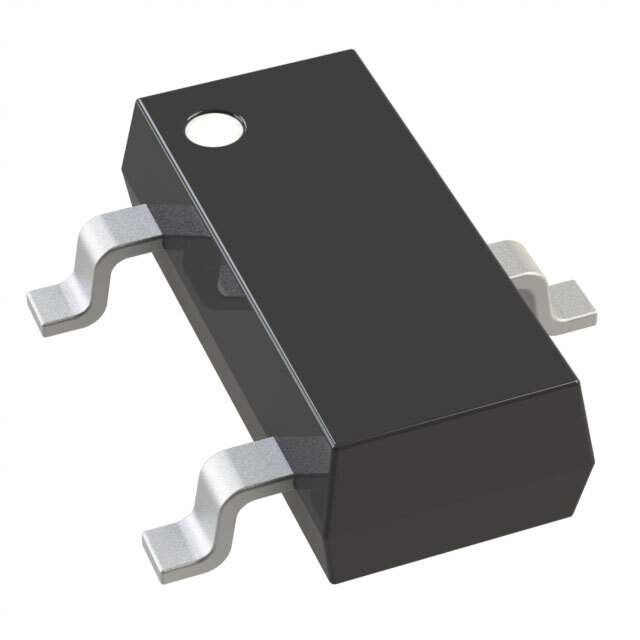
16V zener array, 300mW ceiling, SOT-23-3, -65°C to 150°C operating range
Quick Engineering Summary
| Field | Value |
|---|---|
| Manufacturer | Diodes Incorporated |
| Category | Diodes - Zener - Arrays |
| Package | SOT-23-3 |
| Core function | DIODE ZENER ARRAY 16V SOT-23-3 |
| Key electrical range | Maximum Power Dissipation: 300mW; Supply and Demand Status: Balance; Temperature Range - Operating: -65°C to 150°C; Tolerance: ±5% |
| Reported stock | 1 pcs reported — confirm on RFQ |
Still usable for new builds, but supply is the first problem
And that is the real split: lifecycle says Active, but the immediate buy condition matters more than the status badge. For a new design, DZ23C16-7-F remains viable. For a running line, listed stock of 1 is too thin to cover even a small build interruption.
There is no lifecycle conflict in the status fields, and EU RoHS is compliant, so this is not an obsolescence or compliance call. It is an execution problem. Reel - TR packaging fits normal SMT flow, but with quantity at 1, the practical move is to secure supply before you freeze the BOM around DZ23C16-7-F.
16V is the clamp target, not the rail you get to run at
16V is the nominal zener voltage, and the ±5% tolerance decides whether DZ23C16-7-F can sit across a node without crowding the normal operating window. That helps with clamp placement and threshold spread, but it does not answer leakage, dynamic behavior, or how sharply the device turns on around the knee.
The other hard limit is 300mW maximum power dissipation. In a SOT-23-3 zener array, that ceiling comes first, because once surge energy or steady clamp current drives dissipation too high, package limits take over before the nominal 16V tells you much. The 40 Ohm maximum Zzt matters too; the clamp is not an ideal fixed 16V wall, so a design that depends on a tight transient ceiling still needs more detail than this listing provides.
This belongs in compact dual-node clamps, not energy-heavy protection
Good fit here.
A 1 Pair Common Cathode array in SOT-23-3 makes sense when two related nodes need the same nominal 16V zener function and board area is tight. That points to compact bias protection, paired signal clamps, or small local rail limiting where the common cathode topology matches the schematic and reel packaging matches the assembly flow.
The limits are just as clear. This is not the part for protection work where the missing transient numbers decide the outcome, including cases where surge current, reverse leakage at a stated Vr, or forward conduction behavior determine whether the clamp survives or whether the circuit drifts out of spec after stress. The -65°C to 150°C operating range removes ambient qualification as the first objection, but it does not solve a use case that really needs a published IFSM, forward-voltage point, or reverse-leakage limit. Get that distinction wrong and the field return will look like a protection device that was never sized for the event it had to absorb.
The review stalls on missing dynamic and thermal detail
The constraint is missing electrical and thermal detail. The listing gives 16V, ±5%, 40 Ohm maximum Zzt, 300mW maximum power dissipation, and the package, but it leaves out reverse leakage at a stated Vr, forward voltage at a stated If, and any surge-current figure. For a zener array, those are decision-making numbers, not side notes.
Thermal detail is thin as well. You get the 300mW ceiling and the SOT-23-3 package name, but no thermal resistance, no derating curve, and no pinout here. That leaves ambient headroom, copper dependence, and footprint confirmation unresolved until the full datasheet is in hand.
View the Win-Source product page for DZ23C16-7-F.
Key Takeaways for Engineers & Buyers
- Treat 300mW as the dissipation ceiling and keep board heat out of the SOT-23-3 footprint.
- Use the ±5% Vz tolerance in clamp-window checks before locking rail protection thresholds.
- Do not release DZ23C16-7-F to production on listed stock of 1; secure reel supply first.