
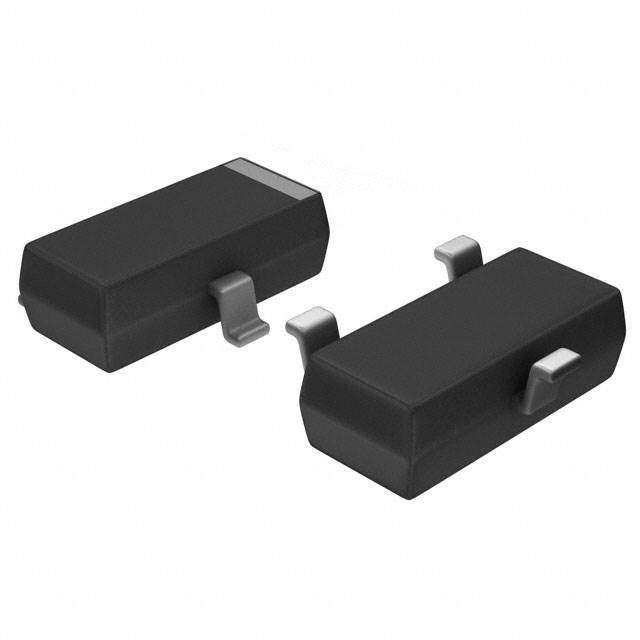
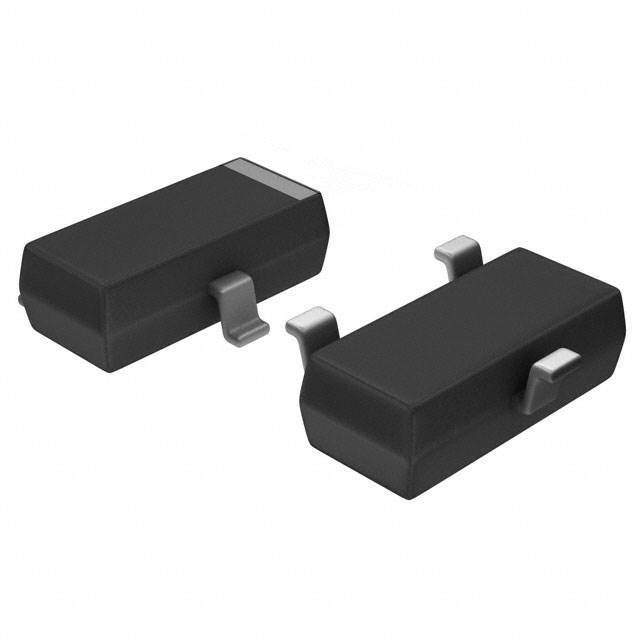
18 V zener array, 300 mW ceiling, SOT-23 package, -65°C to 150°C junction range
Quick Engineering Summary
| Field | Value |
|---|---|
| Manufacturer | Panjit |
| Category | Diodes - Zener - Arrays |
| Package | Tape & Reel |
| Core function | DIODE ZENER ARRAY 18V SOT-23 |
| Key electrical range | Current - Reverse Leakage @ Vr: 100 nA @ 14 V; Power - Max: 300 mW; Temperature Range - Operating: -65°C ~ 150°C (TJ); Tolerance: ±5% |
| Reported stock | 39940 pcs reported — confirm on RFQ |
So yes, this one is a clean new design-in call
And that part is straightforward: there is no lifecycle conflict here. The part is listed Active across the lifecycle fields, so it is not a sustaining-only buy or something to fence off from fresh designs.
That settles sourcing, not circuit fit. In the hardware, it is a zener array in SOT-23 with 1 Pair Common Cathode, which suits compact clamp and protection work when two junctions can share that node. EU RoHS is covered, REACH is listed as Unaffected, and MSL 1 (Unlimited) keeps surface-mount handling routine.
The weak point is missing surge data; the useful limits are still clear
The weak point comes first: the listing does not give surge current, derating, thermal resistance, or a pin-level drawing, and those missing items decide whether the part survives a real transient or only looks right on the BOM.
The usable limits are still clear. The 18 V Voltage - Zener (Nom) (Vz) sets the clamp class, but not a tightly held operating rail, because tolerance is ±5% and the dynamic behavior around that point is only partly exposed. The 300 mW Power - Max is a ceiling, not a normal dissipation point, so it rules out casual use on lines that take repeated energy hits just because the package is convenient.
The 50 Ohms maximum impedance matters too. A higher zener impedance means a softer clamp under load, so if the protection scheme depends on a stiff knee, this is one of the first numbers that keeps the review going.
Leakage is the better news. Current - Reverse Leakage is 100 nA @ 14 V, which supports use on high-impedance nodes where standby loss and bias disturbance matter, but it does not answer the transient case or replace forward-drop data. In practice, the part looks credible for low-leakage rail or signal protection, while the missing stress data still sets how hard it can be used.
Where does this array actually belong?
What does the buyer ask first? Usually whether the package and stock fit the build, and here they do. The part comes in Tape & Reel, Surface Mount, SOT-23 / TO-236-3 / SC-59, with 39940 in stock, so it fits automated assembly and ordinary replenishment better than a niche service part.
Design fit is narrower than the package ubiquity suggests. A 1 Pair Common Cathode array works when two protected nodes can share that topology; if the schematic needs isolated zeners or a different node relationship, the part starts forcing routing compromises. The -65°C to 150°C operating range at TJ is a junction limit range, not proof that the whole board can live there, but it keeps the device in play for equipment that sees wide ambient swings and hot local silicon.
The datasheet gaps are the real review items
39940 pieces help only after the electrical unknowns are closed. The missing items that matter are surge current, thermal resistance, pinout or package drawing, and forward-voltage data.
View the Win-Source product page for DZ23C18_R1_00001.
Key Takeaways for Engineers & Buyers
- Keep DZ23C18_R1_00001 on rails that need an 18 V clamp, not a tighter tolerance than ±5%.
- Budget dissipation against the 300 mW ceiling before treating the common-cathode pair as a compact protection fix.
- Use the 39940 stock and Tape & Reel pack for running builds, then pull the full datasheet for pinout and surge limits.