
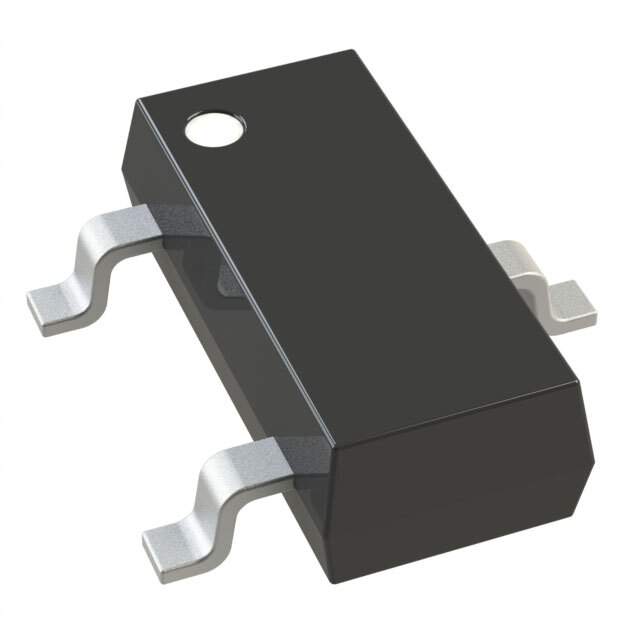
22V zener array, 300mW ceiling, SOT-23-3, -65°C to 150°C limits, plus lifecycle and RoHS conflicts
Quick Engineering Summary
| Field | Value |
|---|---|
| Manufacturer | Diodes Incorporated |
| Category | Diodes - Zener - Arrays |
| Package | SOT-23-3 |
| Core function | DIODE ZENER ARRAY 22V SOT-23-3 |
| Key electrical range | Maximum Power Dissipation: 300mW; Supply and Demand Status: Balance; Temperature Range - Operating: -65°C to 150°C; Tolerance: ±5% |
| Reported stock | 6000 pcs reported — confirm on RFQ |
6000 pieces do not settle the lifecycle question
6000 pieces are on hand. That helps a running line more than a fresh design, because DZ23C22-7 still shows Active in one field and 停止提供 in another, with EU RoHS status also split between compliant and non-compliant.
The weak point is ambiguity, not the 22V clamp
The weak point is the record, not the silicon. DZ23C22-7 carries a direct lifecycle conflict and a direct RoHS conflict, and either one can stop a release long before electrical fit becomes the deciding factor.
Electrically, the outline is usable but narrow. The 22V Vz sets the zener class, not rail accuracy, and the ±5% tolerance defines how far the protection threshold can drift before downstream parts see more stress than intended. The 300mW maximum power dissipation is a ceiling, not an operating point, so it says little about continuous surge headroom or ambient margin on its own. The 55 Ohm maximum impedance also matters: with a zener array at that ceiling, clamp behavior will shift more with current than it would in a tighter device, leaving line regulation and transient stiffness unresolved until the full curves are in hand. And because the package is SOT-23-3, the part belongs in compact local protection duty rather than any job where package mass is expected to absorb abuse quietly over time.
So where DZ23C22-7 fits is fairly specific
So it fits dense SMT protection or reference-adjacent work where a 1 pair common cathode array in SOT-23-3 simplifies routing and where 22V is the intended zener class. The -65°C to 150°C operating range is broad enough that temperature is not the first reason to reject it.
It does not fit a design that needs a settled compliance story, a settled lifecycle story, or deeper electrical detail than this record provides. The row mentions AEC-Q101 and automotive grade, but that qualification does not appear here as a clean standalone field, so that market claim should not carry the decision.
The constraint is missing review data, not stock
The constraint is missing review data, not stock. You can probably buy DZ23C22-7 for existing production, but this record still does not support a complete part review.
The concrete gaps are reverse leakage at Vr, forward voltage at If, the package drawing or pinout for the common-cathode arrangement, and the zener behavior curves showing how the 55 Ohm maximum impedance and 22V nominal value move with current. Get those before layout or stress signoff. Without them, thermal budget, clamp behavior, and pad mapping all stay less certain than they should be.
View the Win-Source product page for DZ23C22-7.
Key Takeaways for Engineers & Buyers
- Treat 300mW as the dissipation ceiling and keep DZ23C22-7 out of clamps that live near that limit.
- Resolve the Active versus 停止提供 lifecycle conflict before adding DZ23C22-7 to a new BOM.
- Pull the pinout and package drawing for the common-cathode SOT-23-3 footprint before layout release.