
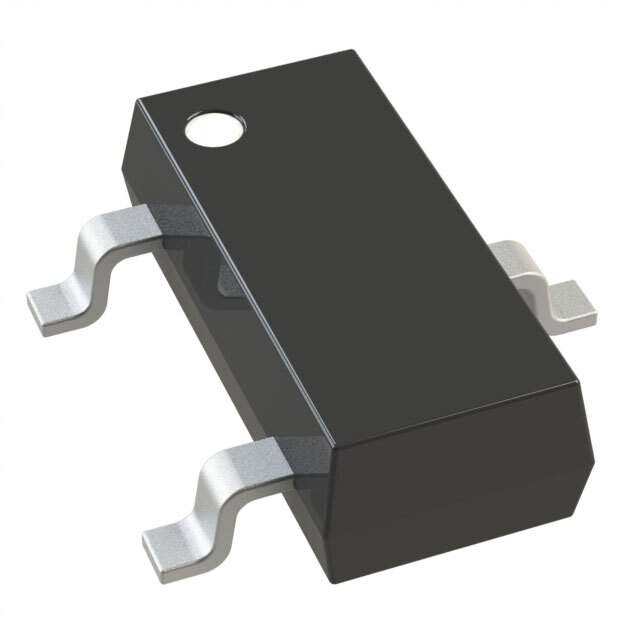
39V zener array, 300mW ceiling, SOT-23-3 package, -65°C to 150°C operating range
Quick Engineering Summary
| Field | Value |
|---|---|
| Manufacturer | Diodes Incorporated |
| Category | Diodes - Zener - Arrays |
| Package | SOT-23-3 |
| Core function | DIODE ZENER ARRAY 39V SOT-23-3 |
| Key electrical range | Maximum Power Dissipation: 300mW; Supply and Demand Status: Balance; Temperature Range - Operating: -65°C to 150°C; Tolerance: ±5% |
| Reported stock | 15000 pcs reported — confirm on RFQ |
Then the buying call is straightforward
So the buying call is straightforward: Active status, 15000 in stock, and Reel - TR packaging make DZ23C39-7-F a clean new-design choice for SMT builds. EU RoHS is compliant.
The 300mW ceiling matters more than the 39V label
The weak point comes first. In SOT-23-3, DZ23C39-7-F is limited to a 300mW dissipation ceiling, so it is not the part to use when the clamp must absorb much energy or remain near its limit for long periods, and that ceiling still leaves ambient headroom unresolved because no derating curve or thermal resistance is listed.
The stronger number is the 39V zener rating with ±5% tolerance. That settles one decision and sharpens another: it places the clamp point around a 39V rail or transient threshold, while ruling out tighter windows where ±5% is too loose. The 90 Ohm maximum impedance matters too, because it suggests the knee is not especially stiff; if the protection scheme depends on a sharply held voltage under changing current, that maximum reads as a warning rather than reassurance. DZ23C39-7-F fits light board-level rail clamping and reference-style uses better than anything that expects a hard, low-impedance surge stop.
Good for paired clamps, not for single-diode assumptions
Good fit here.
Use it where the common-cathode array is the point. DZ23C39-7-F gives you 1 Pair Common Cathode in one SOT-23-3 body, useful when two nodes need the same 39V zener behavior and board area is tight.
That same configuration can break a casual drop-in assumption, because a dual array is not interchangeable with a single discrete zener just because the nominal voltage matches. The listed -65°C to 150°C operating range is broad enough for harsh ambient exposure, but it does not settle current sharing, pulse handling, or how the two elements behave thermally inside the package.
The missing numbers are the real review stopper
The constraint is missing electrical detail.
DZ23C39-7-F lacks reverse leakage at Vr, forward voltage at If, pinout detail beyond the common-cathode description, and any package drawing or thermal resistance figure. Those gaps decide whether it can sit on a high-impedance sense node, whether forward conduction is acceptable during fault reversal, and how much thermal margin the 300mW ceiling really leaves on your board. The ECAD note says contact us to download, but the electrical gaps matter first.
View the Win-Source product page for DZ23C39-7-F.
Key Takeaways for Engineers & Buyers
- Keep DZ23C39-7-F on reel builds only; packaging is Reel - TR.
- Treat 300mW as the dissipation ceiling when both zeners share one SOT-23-3 body.
- Pull the datasheet for leakage and forward-voltage limits before using DZ23C39-7-F on a precision clamp.