
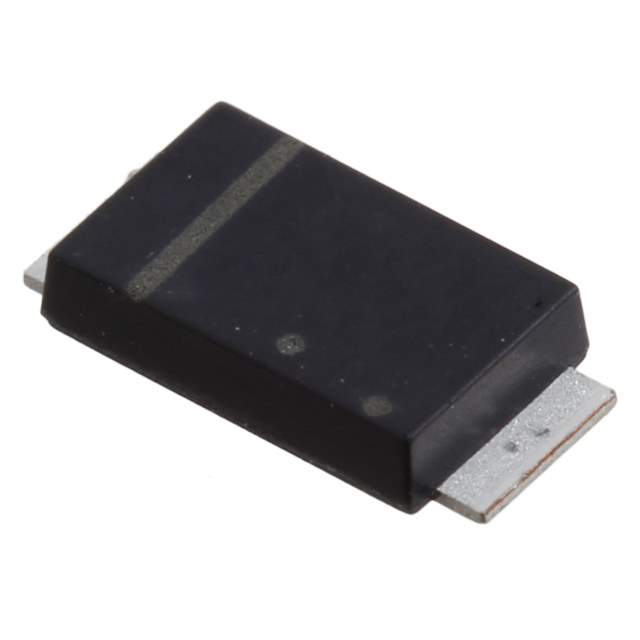
6.2 V nominal, 2 W ceiling, TMiniP2-F2-B/SOD-128, ±5%, 1.2 V at 200 mA, lifecycle conflict
Quick Engineering Summary
| Field | Value |
|---|---|
| Manufacturer | Panasonic |
| Category | Diodes - Zener - Single |
| Package | TMiniP2-F2-B |
| Core function | DIODE ZENER 6. |
| Key electrical range | Supply and Demand Status: Limited |
| Reported stock | 1 pcs reported — confirm on RFQ |
The constraint is supply confidence, not the zener number
The constraint is supply confidence. One field says Active, another says 停止提供, and that conflict is enough to keep this device out of a new design unless you are deliberately accepting a sustaining-only part. Stock quantity 1 and a Limited supply status tighten the picture further.
For existing production, the call is simpler. Panasonic DZ2406200L is still a real line item, it is EU RoHS compliant, and MSL 1 helps on the floor. The Active flag is not a clean green light for new programs; the conflict is the point.
6.2 V and 2 W set the rail clamp envelope
6.2 V sets the target, and ±5% tells you how wide the accepted rail window is before you ever pull a full datasheet. That is enough to answer the first fit question for low-power shunt regulation or overvoltage clamping around a 6.2 V node, but not the transient one, because no surge figure is listed.
The 2 W rating is a ceiling, not an operating point. It tells you DZ2406200L is not a throwaway signal zener, yet it still leaves ambient headroom unresolved because the listing gives no derating curve and no thermal resistance. The 30 Ohms maximum Zzt matters as well; if clamp accuracy depends on a stiff knee across changing current, that number can decide the part faster than the nominal voltage does.
It fits board-level clamps, not blind high-stress protection
It fits.
DZ2406200L belongs in surface-mount board assembly where a SOD-128 or TMiniP2-F2-B zener is used as a local rail clamp or simple reference and compact placement matters more than leaded power handling. The package callout and reel packaging both point to volume SMT assembly, not hand-loaded service stock.
The forward condition, 1.2 V at 200 mA, matters because reverse breakdown is not the only thermal case you have to budget. If polarity can flip in service, forward conduction can set the heating limit before the nominal 6.2 V function matters at all. The reverse leakage figure, 20 µA at 3 V, is useful only at the low-bias end and says little about behavior near breakdown, which is exactly where clamp designs spend their time.
That leaves the fit narrow but practical. Use it for board-level protection or regulation around a 6.2 V target when ±5% is acceptable and when missing transient detail does not block selection. Skip it for protection work that depends on surge current, recovery behavior, or a tightly modeled thermal path, because those are the decision-makers missing here for DZ2406200L.
What would close the review fastest?
What does it survive first? Start with surge capability. No IFSM or other overload figure is listed, so you cannot tell whether DZ2406200L survives the fault pulse your clamp network may dump into it.
After that, the missing items are thermal resistance or a derating curve, the pinout and package drawing, and junction capacitance. Those gaps decide ambient headroom, land pattern confidence, and whether the zener is quiet enough for the node you want to protect.
View the Win-Source product page for DZ2406200L.
Key Takeaways for Engineers & Buyers
- Hold DZ2406200L to rails that really need a 6.2 V zener with ±5% tolerance.
- Budget dissipation from the 2 W ceiling and the 1.2 V at 200 mA forward condition.
- If the line depends on DZ2406200L, act now: stock shows 1 and supply status is Limited.