
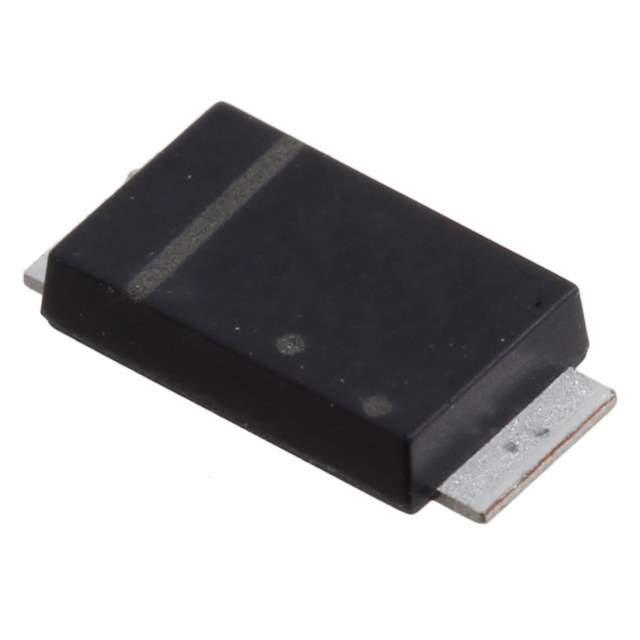
10 V nominal zener, 2 W ceiling, TMiniP2-F2-B SMD package, ±5% tolerance
Quick Engineering Summary
| Field | Value |
|---|---|
| Manufacturer | Panasonic |
| Category | Diodes - Zener - Single |
| Package | TMiniP2-F2-B |
| Core function | DIODE ZENER 10V 2W TMINIP2 |
| Key electrical range | Current - Reverse Leakage @ Vr: 10μA @ 7V; Maximum Power Dissipation: 2W; Supply and Demand Status: Balance; Tolerance: ±5% |
| Reported stock | 1 pcs reported — confirm on RFQ |
Still not a clean new design-in
And that lifecycle conflict settles the decision first. One field says Active, another says 停止提供, so the conservative call is sustaining only. If this zener is already on a running board, keep it in play while securing supply against confirmed demand. For a fresh design, don’t anchor a rail clamp or reference point to a part carrying two different lifecycle stories.
The rest of the commercial picture does not change that. Stock is listed as 1, packaging is Reel - TR, and RoHS is compliant under EU RoHS. That combination can keep a compliant line moving in small volume, but it does not make DZ2410000L a calm choice for a new release.
The 10 V mark helps less than the 2 W ceiling
The weak point comes first: 10 V nominal with ±5% tolerance is not a precision answer on its own. It settles the rough clamp or reference level, but not the tighter question of how much rail window the circuit really has once that tolerance stacks with the rest of the design.
The stronger number is the 2 W maximum power dissipation. That ceiling decides whether the device belongs in a lightly stressed shunt role or gets pushed into a thermal corner. Pair it with 1.2 V maximum at 200 mA in forward conduction and the listing points to two separate failure paths: too much reverse dissipation in zener service, or too much forward current when polarity goes the wrong way. Neither number is a working setpoint.
Wrong for precision references, useful for compact clamps
Not for tight voltage accuracy. Not for thermal estimates that depend on package resistance. DZ2410000L fits where a 10 V zener with ±5% tolerance is acceptable and where the board already expects an SMD single zener in TMiniP2-F2-B, called out elsewhere as SOD-128.
That points more toward compact rail limiting, bias protection, and general-purpose shunt duty than toward anything that lives or dies on exact reference value. The other number that matters is 30 Ohm maximum Zzt. That ceiling says the zener voltage will move with current more than a low-impedance reference diode would, so if the circuit expects a stiff 10 V node across changing load or surge conditions, DZ2410000L is the wrong tool before thermal questions even start.
Reverse leakage is listed as 10 µA at 7 V, which is useful mainly as a low-bias sanity check. It does not show what happens near the nominal zener region, and it does not replace the missing curve data that would show how the part actually transitions into regulation. If the job is simply to catch excursions and hold a node in the neighborhood of 10 V rather than define it precisely, though, the listing still leaves it in the conversation.
The missing datasheet items are the real blocker
The gaps matter most. The listing does not give a derating curve, thermal resistance, surge current limit, or package drawing and pin geometry.
View the Win-Source product page for DZ2410000L.
Key Takeaways for Engineers & Buyers
- Treat 2W as the dissipation ceiling; the thermal path still needs the package drawing and thermal data.
- Hold DZ2410000L for existing builds only until the Active versus 停止提供 lifecycle conflict is cleared.
- Plan reel usage carefully; listed stock is 1 and packaging is Reel - TR.