
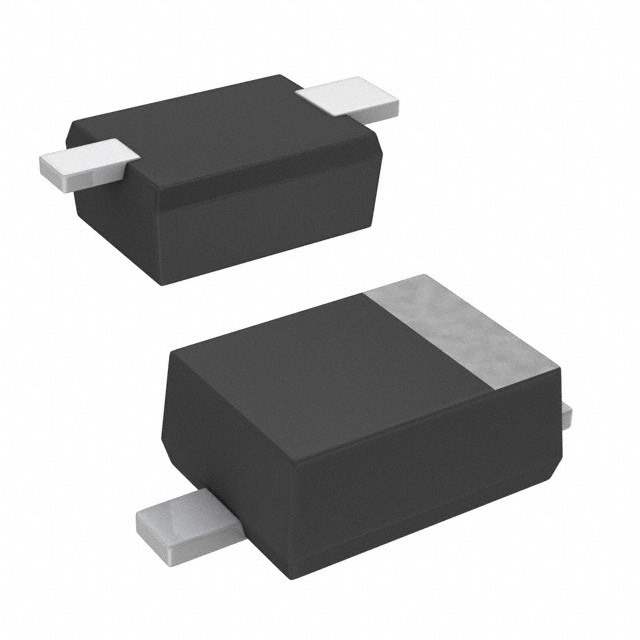
6.2V zener, 200mW ceiling, 30 Ohm max impedance, SMini2-F5-B package
Quick Engineering Summary
| Field | Value |
|---|---|
| Manufacturer | Panasonic |
| Category | Diodes - Zener - Single |
| Package | SMini2-F5-B |
| Core function | DIODE ZENER 6. |
| Key electrical range | Current - Reverse Leakage @ Vr: 200nA @ 4V; Maximum Power Dissipation: 200mW; Supply and Demand Status: Sufficient; Tolerance: ±5% |
| Reported stock | 47402 pcs reported — confirm on RFQ |
Use it to keep a line running
Not for new designs.
DZ2J06200L fits sustaining work better than a fresh design-in because the lifecycle story is split. One field says Active and another says 停止提供, so this is not a clean low-risk choice for a new board.
For an existing production build, the listed stock of 47402 and sufficient supply status are enough to keep material moving while you decide whether the line still wants this exact 6.2V device. EU RoHS is straightforward and not the issue here.
If your board already uses DZ2J06200L, keep buying with intent and watch the line plan. Starting from zero, the lifecycle conflict should stop you first.
The 200mW ceiling is the real design limit
And that matters more than the nominal 6.2V, because this is a 200mW zener in an SMini2-F5-B body, and dissipation budget will usually settle the decision before clamp voltage does when the part may conduct for any meaningful length of time.
The 6.2V zener voltage is still the selection anchor, but it does not tell you how hard you can lean on the part. The 200mW maximum power dissipation is a ceiling, not a working point, and it rules out casual use anywhere the clamp may sit in conduction for long periods or take repeated energy without a thermal path worked out elsewhere in the design.
The 30 Ohm maximum Zzt also matters. That points to more voltage movement under current than you would expect from a low-impedance reference device, so DZ2J06200L lands better in simple rail limiting and coarse reference duties than in circuits where clamp drift becomes measurement error or threshold spread.
Tolerance pushes the same way. At 6.2V with ±5%, you have a useful nominal value, but not a precision reference. If the circuit only needs a protective knee around that region, fine. If the trip point is tight, the listing already gives you reason to back off.
The forward figure, 1V at 10mA, is a forward-direction ceiling point from the listing, not a normal zener operating target. It helps if reverse installation or transient polarity matters, but it does not change the thermal limit.
Small package, small jobs
200nA @ 4V is a low reverse leakage figure. That helps in light-duty bias protection and simple reference nodes where standby loss matters more than surge handling.
The package and mounting fill in the rest. SMini2-F5-B, listed as SMD and tied to SC-90 / SOD-323F, points to dense board work rather than generous thermal mass or easy hand rework. It belongs near signal rails and local clamps on compact consumer or industrial boards that already accept a small zener with modest dissipation.
What is still missing
What is missing first?
Thermal resistance, derating curve, and pinout or package drawing. The listing also lacks a surge or overload figure such as IFSM, so it does not show how much short-pulse abuse the junction can survive.
View the Win-Source product page for DZ2J06200L.
Key Takeaways for Engineers & Buyers
- Hold DZ2J06200L to rail-clamp and reference jobs that stay inside the 200mW ceiling.
- Check tolerance stack at 6.2V ±5% before using DZ2J06200L as a tight reference.
- Buy on reel planning: packaging is TR with 3k pcs per package.