
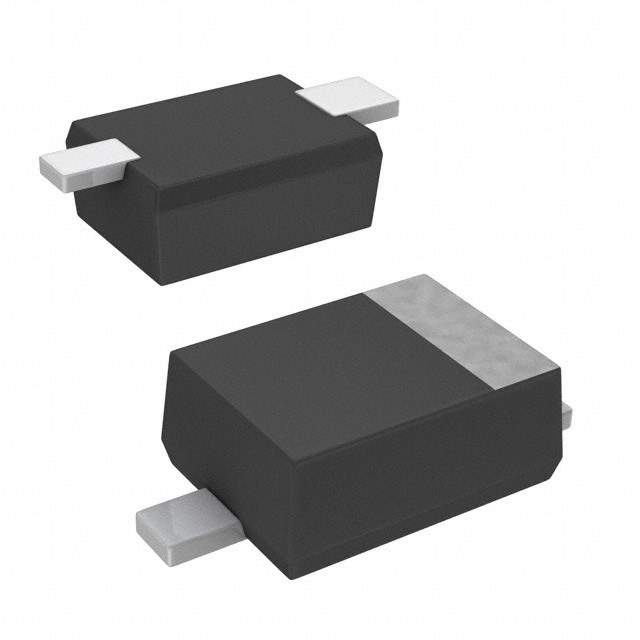
15V zener, 200mW ceiling, SMini2-F5-B package, ±5% tolerance; lifecycle conflict is the real decision point
Quick Engineering Summary
| Field | Value |
|---|---|
| Manufacturer | Panasonic |
| Category | Diodes - Zener - Single |
| Package | SMini2-F5-B |
| Core function | DIODE ZENER 15V 200MW SMINI2 |
| Key electrical range | Current - Reverse Leakage @ Vr: 50nA @ 11V; Maximum Power Dissipation: 200mW; Supply and Demand Status: Balance; Tolerance: ±5% |
| Reported stock | 2860 pcs reported — confirm on RFQ |
Can you start a new design on it?
Can you start fresh with it? No. DZ2J15000L belongs in sustaining use because the lifecycle signals conflict: Active is listed, but another status says 停止提供. EU RoHS compliance does not resolve that.
The 200mW ceiling matters more than the 15V label
Wrong for any clamp job where the part number alone is supposed to settle power handling. Right for low-power zener duty where a 15V nominal target in a very small SMD body is the point, and where the surrounding circuit already keeps dissipation under control over real operating conditions rather than assuming the package can absorb more than the rating allows.
The first number that decides the fit is 200mW maximum power dissipation. That is a ceiling, not a working point, and it determines whether DZ2J15000L belongs on a light reference or protection node instead of a rail that can sit in breakdown for long periods. The 15V zener voltage is only the nominal clamp target; with ±5% tolerance, it defines the rail window you must accept, not the exact voltage you will see in service.
There is another ceiling worth noticing: 1V at 10mA in forward conduction. That is not zener operation, but it does show what happens if polarity reverses and the diode is driven forward. Reverse leakage is listed as 50nA at 11V, a useful number for bias-sensitive nodes, though it is still specified at 11V rather than at the full 15V zener point. The 40 Ohm maximum impedance is the other caution flag. Regulation stiffness is limited, so don't treat it like a tight shunt reference just because the nominal voltage is 15V.
Small package, narrow job
The weak point is package headroom. SMini2-F5-B, with SMD mounting and reel packaging, suits dense board work where placement efficiency matters, but it also says this is not the zener to pick when surge energy or sustained clamp current is the main problem.
DZ2J15000L fits housekeeping rails, light overvoltage clamps, and bias protection around signal sections where 15V nominal and low leakage matter more than brute-force dissipation. It does not fit designs that need a published surge current limit, RθJC, or a tighter voltage target than ±5% allows. Use it where board area is scarce and stress is modest.
2860 pieces on hand does not fix the missing review data
2860 pieces can support a running line, but that is not the real blocker. What matters is what is missing: no derating curve, no thermal resistance, no pinout or package drawing here, and no zener test-current context beyond the nominal 15V listing. Those gaps set the ambient headroom, the land pattern confidence, and how hard the clamp can be driven before the part turns into a field-return risk.
For DZ2J15000L, get the full datasheet before layout is frozen or the protection network is signed off. The ECAD model is not directly available here either, so footprint and orientation control need the manufacturer document.
View the Win-Source product page for DZ2J15000L.
Key Takeaways for Engineers & Buyers
- Hold DZ2J15000L to a 15V clamp target with ±5% tolerance accounted for in the rail budget.
- Treat 200mW as the dissipation ceiling and pull the thermal path from the full datasheet before release.
- If the line depends on DZ2J15000L, reserve from the listed 2860 pieces now and clear the lifecycle conflict.