
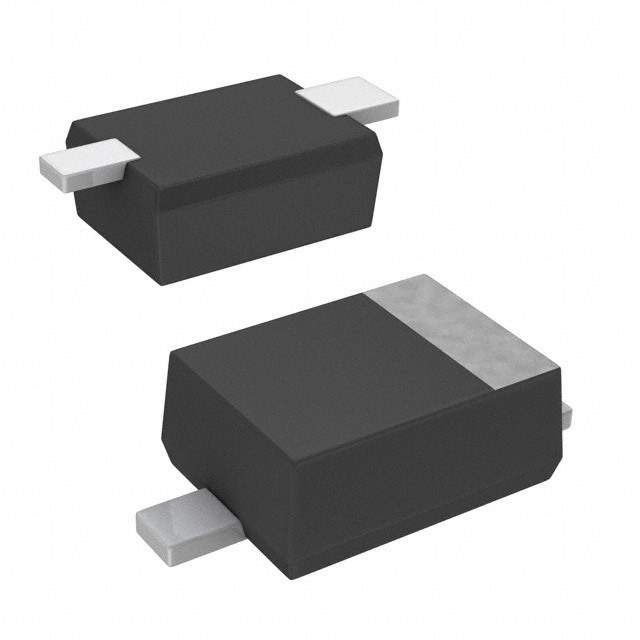
16V zener, 200mW ceiling, SMini2-F5-B package, ±5% tolerance; lifecycle conflict drives the call
Quick Engineering Summary
| Field | Value |
|---|---|
| Manufacturer | Panasonic |
| Category | Diodes - Zener - Single |
| Package | SMini2-F5-B |
| Core function | DIODE ZENER 16V 200MW SMINI2 |
| Key electrical range | Current - Reverse Leakage @ Vr: 50nA @ 12V; Maximum Power Dissipation: 200mW; Supply and Demand Status: Balance; Tolerance: ±5% |
| Reported stock | 6000 pcs reported — confirm on RFQ |
200mW decides the verdict before 16V does
200mW is the number that sets the tone here. DZ2J16000L is a 16V single zener in SMini2-F5-B, but the harder call is lifecycle, not nominal voltage: one field says Active, another says 停止提供. Read that conservatively.
That makes it a sustaining part, not a clean new design choice. Keep it on existing production where footprint and behavior are already qualified, and avoid building a fresh platform around it. EU RoHS compliance is listed, but it does not resolve the status conflict.
The 16V value answers only whether your clamp or rail target sits near 16V. It does not answer power or thermal margin, and if a fault case leans on the zener long enough, the 200mW maximum power dissipation ceiling is likely to be the first limit you hit.
The weak point is lifecycle ambiguity, not leakage
The weak point comes first: DZ2J16000L carries conflicting lifecycle signals. The electrical limits, by contrast, are internally consistent for a small-signal zener.
The 50nA reverse leakage at 12V keeps off-state loss low below the 16V nominal zener point, which suits bias references, light clamp duty, and sensing nodes where leakage matters. The 50 Ohm maximum impedance is the other key limit. It caps how stiff the zener voltage will look as current moves, so this is not a precision shunt reference just because the nominal value is 16V.
SMini2-F5-B fits dense boards, but only for light clamp duty
6000 pieces in stock is the practical reason to keep DZ2J16000L on a running line while the lifecycle picture stays unresolved.
The package and ratings point to a narrow job. SMini2-F5-B with SMD mounting places it in compact board-level protection, local biasing, and low-energy rail limiting where board area is tight and assembly already expects reel feed. The 1V maximum forward drop at 10mA is a ceiling for forward conduction, not a normal operating point, but it still marks a dissipation limit you have to respect if the part is driven forward during a fault or polarity mistake.
Small package, small margin.
What it does not suit is a design that needs a stiff 16V reference, broad thermal cushion, or much abuse tolerance. The ±5% tolerance leaves a real voltage window around nominal, and threshold-sensitive clamps or references need that spread checked against the rest of the circuit before release. The listing also omits operating temperature, surge figure, and thermal resistance, so you cannot close ambient headroom or pulse survival from this page alone, even if the near-term stock position makes the part look easy to keep buying.
Can you buy it with confidence today?
Can you buy it today and keep the line moving? Yes, for an existing build that already uses DZ2J16000L and can take reel packaging. No, for a fresh release. The listed quantity is 6000, enough for near-term line fill while you resolve the status conflict.
The missing datasheet items are the real blockers
And that is the real blocker. DZ2J16000L still needs thermal resistance, operating temperature range, and a surge or overload rating before you can judge ambient headroom or fault survival with confidence. A package drawing or pinout detail is also missing here, even though the package names are listed.
ECAD access is mentioned, but the electrical gaps matter more than a model download. Without those details, this page shows where DZ2J16000L probably fits, but it does not close the last review step.
View the Win-Source product page for DZ2J16000L.
Key Takeaways for Engineers & Buyers
- Treat 200mW as the dissipation ceiling; don’t size DZ2J16000L from the 16V nominal alone.
- Check whether ±5% on the 16V zener window is acceptable before locking clamp thresholds.
- Reserve reel handling for TR packaging and hold dry storage controls on incoming stock.