
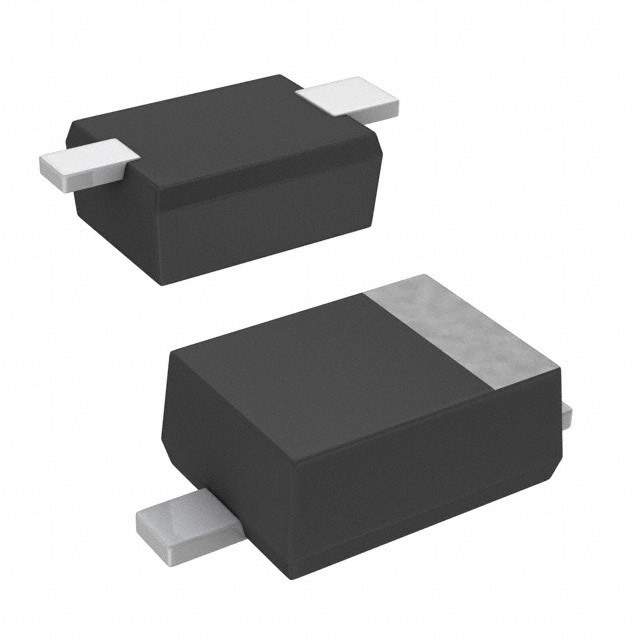
27 V zener, 200 mW ceiling, SMini2-F5-B package, ±5% tolerance, with a lifecycle conflict that changes the call
Quick Engineering Summary
| Field | Value |
|---|---|
| Manufacturer | Panasonic |
| Category | Diodes - Zener - Single |
| Package | SMini2-F5-B |
| Core function | DIODE ZENER 27V 200MW SMINI2 |
| Key electrical range | Current - Reverse Leakage @ Vr: 50nA @ 21V; Maximum Power Dissipation: 200mW; Supply and Demand Status: Balance; Tolerance: ±5% |
| Reported stock | 3000 pcs reported — confirm on RFQ |
Still, the lifecycle conflict decides the verdict
And that is the real story with DZ2J27000L: the electrical listing is usable, but the lifecycle picture is too mixed to support a comfortable new design-in. One field says Active, another says 停止提供, and that conflict matters more than the zener value because it shifts the problem from circuit fit to future sourcing risk.
The conservative read is sustaining only. For an existing production build, 3000 pieces on hand and reel packaging can keep a line moving while status is sorted out. For a fresh design, the favorable Active flag is not enough to outweigh the conflict. EU RoHS is listed, so compliance is not the issue.
Not for power dumping; fine for light 27 V clamping
This part is the wrong choice when the zener has to act like a power sink. The 200 mW maximum power dissipation is a ceiling, not a normal operating point, and in a small SMini2-F5-B body it rules out casual use across rails or on lines that can remain in breakdown for long stretches. If the protection scheme depends on absorbing repeated energy with little series resistance, that limit answers the question before layout starts.
It fits better in low-power voltage limiting around a 27 V nominal zener point, especially where board area is tight and SMD assembly is standard. The ±5% tolerance sets the clamp spread you have to allow at the protected node, while the 120 Ohm maximum impedance is the reminder that clamp voltage will shift with current rather than sit neatly at the nominal value under stress.
The forward spec belongs in a narrower box. A 1 V maximum at 10 mA is only the listed forward-drop ceiling at that current, useful when fault polarity or signal swing can drive the diode forward. It says nothing about reverse regulation, and it does not soften the 200 mW ceiling if the application really needs a transient suppressor.
Can you actually buy against it now?
Can you book it now? Yes, for near-term demand: 3000 pieces are listed, and reel - TR packaging fits automated placement.
That does not settle the longer call. Book only against known demand until Panasonic status is reconciled.
27 V is listed; the missing curves still matter
27 V nominal is enough to sketch the DC intent. Add 50 nA at 21 V leakage and 120 Ohm maximum impedance, and you have the rough electrical outline of DZ2J27000L, but not enough to close a protection review or even a careful bias-clamp decision where temperature and pulse behavior decide whether the node stays inside limits.
The missing items are concrete: no thermal resistance, no derating curve, no package drawing, no pinout, and no surge or overload figure such as IFSM. The forward-drop curve is absent too, and that omission matters when reverse-polarity events can drive the diode the other way.
View the Win-Source product page for DZ2J27000L.
Key Takeaways for Engineers & Buyers
- Hold DZ2J27000L for existing builds; clear the Active versus 停止提供 conflict before adding it to a new BOM.
- Keep dissipation below the 200 mW ceiling; the listing gives no thermal resistance or derating curve to stretch it.
- Use the 27 V nominal and ±5% tolerance as the clamp window, then pull the full datasheet for pinout and package drawing.