
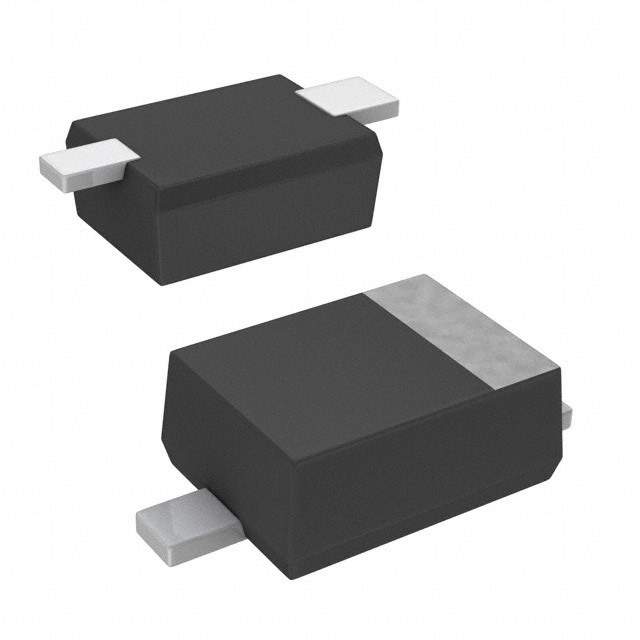
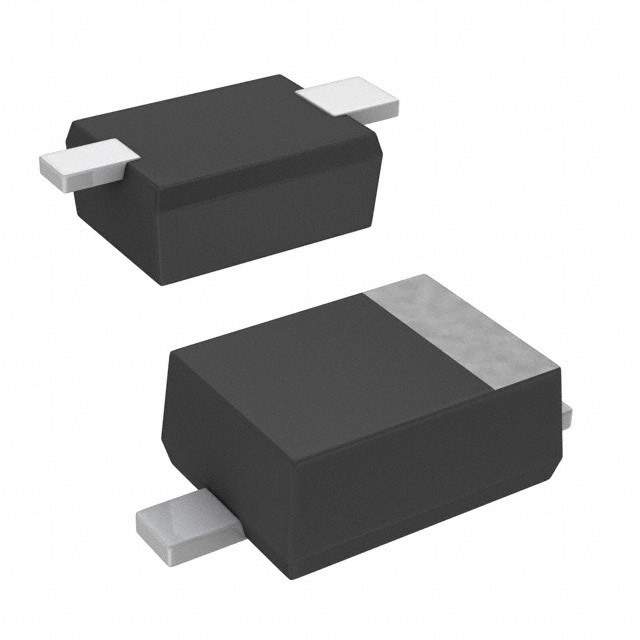
33V nominal zener, 200mW ceiling, SMini2-F5-B package, ±2.5% tolerance, with lifecycle conflict
Quick Engineering Summary
| Field | Value |
|---|---|
| Manufacturer | Panasonic |
| Category | Diodes - Zener - Single |
| Package | SMini2-F5-B |
| Core function | DIODE ZENER 33V 200MW SMINI2 |
| Key electrical range | Current - Reverse Leakage @ Vr: 50nA @ 25V; Maximum Power Dissipation: 200mW; Supply and Demand Status: Sufficient; Tolerance: ±2.5% |
| Reported stock | 147000 pcs reported — confirm on RFQ |
The real constraint is lifecycle, not the zener number
The constraint is the mismatch in lifecycle signals: Active in one field, 停止提供 in another. That puts DZ2J330M0L in the sustaining-design bucket, not a clean new design-in, even though the electrical listing is usable.
Stock does support near-term line needs. The part is EU RoHS compliant, SMD, and listed at 147000 in Reel - TR. That helps continuity today, but it does not resolve future continuity. If the device is already on your board, keep the approved part in place and secure the reel format you need. For a fresh release, the stop-supply signal carries more weight than the Active flag.
The 200mW ceiling decides whether the 33V clamp is usable
That also makes the electrical case secondary to the lifecycle call. DZ2J330M0L is a 33V nominal zener with ±2.5% tolerance, so the fit depends on how tightly the rail or node has to sit around that clamp point; in a narrow overvoltage window, that tolerance becomes one of the few numbers here that actually settles the choice, while in a looser threshold window it matters much less.
The harder limit is Maximum Power Dissipation at 200mW. Treat it as a ceiling. In a small SMini2-F5-B body, that number decides whether the intended clamp duty is realistic at all, and without thermal resistance or a derating curve, you cannot turn that ceiling into credible ambient headroom on a real board.
The listing also gives 1V at 10mA in forward conduction. Useful, but only in a narrow way: it reminds you that a reverse-protection error can still consume budget in the forward direction. It says nothing about surge behavior.
Reverse leakage is listed as 50nA at 25V, which keeps the part reasonable around high-impedance sensing or bias nodes below the 33V zener region. The 200 Ohm maximum impedance matters too, because it sets expectations for regulation stiffness; if the circuit needs a very sharp knee, the surrounding resistor network has to absorb the fact that this zener is not infinitely stiff.
Wrong for surge-heavy clamps, fine for small board-level protection
Wrong for pulse-energy abuse. DZ2J330M0L fits quiet board-level rail limiting, reference trimming, and light overvoltage clamping where an SMD SMini2-F5-B device already works.
The missing datasheet items are the real review blockers
There are gaps.
For DZ2J330M0L, the missing items that actually block a decision are thermal resistance, derating curve, surge current capability, and package drawing or pinout detail. Without thermal resistance and the derating curve, the 200mW ceiling cannot be translated into board-level ambient headroom. Without surge current data, fault and transient survivability stay open. Without the package drawing, SMini2-F5-B identifies the family but not the land pattern or orientation details needed to release a footprint.
View the Win-Source product page for DZ2J330M0L.
Key Takeaways for Engineers & Buyers
- Treat 200mW as the dissipation ceiling when sizing any clamp duty on DZ2J330M0L.
- Check that 33V nominal with ±2.5% still clears the rail window before releasing the BOM.
- Reserve reel planning early if you need DZ2J330M0L in volume; stock is 147000 and packaging is Reel - TR.