
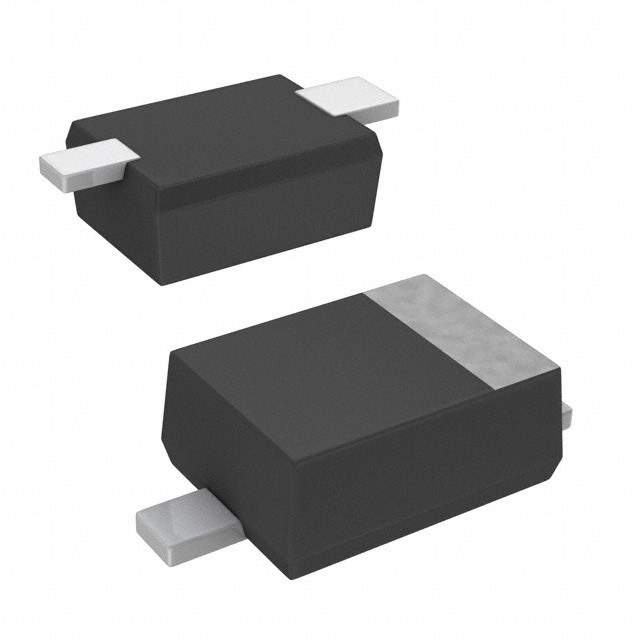
39V zener, 200mW ceiling, SMini2-F5-B package, ±5% tolerance, 1V at 10mA forward limit
Quick Engineering Summary
| Field | Value |
|---|---|
| Manufacturer | Panasonic |
| Category | Diodes - Zener - Single |
| Package | SMini2-F5-B |
| Core function | DIODE ZENER 39V 200MW SMINI2 |
| Key electrical range | Current - Reverse Leakage @ Vr: 50nA @ 30V; Maximum Power Dissipation: 200mW; Supply and Demand Status: Balance; Tolerance: ±5% |
| Reported stock | 138470 pcs reported — confirm on RFQ |
Not for fresh platforms; acceptable on a running line
Wrong fit first: a new platform that needs a clean lifecycle story should skip DZ2J39000L. The conflict is explicit. One field says Active, another says 停止提供, so the safe reading is sustaining use only, not a confident new design-in.
It works better on an existing production build that already wants a 39V zener in an SMD body and can use reel packaging. EU RoHS is straightforward. The real decision is lifecycle confidence, not basic function.
The 200mW ceiling is the design limiter here
Power is the constraint here. DZ2J39000L is listed at 200mW maximum power dissipation, and that number sets a hard ceiling on clamp duty or steady bias before thermal margin turns into the open question. No derating curve or thermal resistance is listed, so the page does not answer ambient headroom, pulse survivability, or how much board copper the part needs to stay comfortable in service.
The 39V nominal zener value settles a different question. It places the clamp neighborhood, not the exact rail behavior across all current conditions, especially with ±5% tolerance and a maximum impedance of 300 Ohm. If the circuit needs a tight knee or little dynamic shift as current moves around, that 300 Ohm figure is the warning.
Forward behavior is only partly defined. The listing gives 1V at 10mA as the maximum forward drop condition, which matters if the diode can be driven forward during a fault or polarity-reversal event. Useful, but limited. It still leaves out the forward characteristic curve, and it does not change the 200mW ceiling. In plain terms, DZ2J39000L fits light-duty 39V zener work; the numbers here do not support heavy clamp energy or precision behavior.
Best fit is light clamp and reference work on dense boards
39V is the decisive figure. That puts DZ2J39000L into the usual jobs for a single zener at the high end of low-power rail protection, bias limiting, or simple reference duty where board area matters and the SMini2-F5-B body is the point.
It does not belong in designs where the zener must absorb repeated surge energy, hold a tight voltage under changing current, or answer thermal questions from first principles. The package is small, the dissipation ceiling is 200mW, and the listing gives no surge current or thermal path data. If field returns would come from overstressed clamps rather than ordinary leakage drift, this is the wrong place to economize.
Stock is usable now; the missing curves still matter
And that makes the buy call fairly simple: if DZ2J39000L is already qualified in your existing production, secure reel quantity while 138470 pieces are available and avoid stretching it into a new program.
The missing details still matter. The gaps here are the derating curve, thermal resistance, surge current capability, the zener voltage test conditions beyond the nominal 39V callout, and pinout plus package drawing. Those omissions matter less for a known footprint and much more for a fresh layout.
View the Win-Source product page for DZ2J39000L.
Key Takeaways for Engineers & Buyers
- Treat 200mW as the dissipation ceiling when sizing the clamp duty on DZ2J39000L.
- Hold the rail target against 39V nominal and ±5% tolerance before releasing the BOM.
- Buy reel packaging around the current 138470 stock if this stays on an existing production line.