
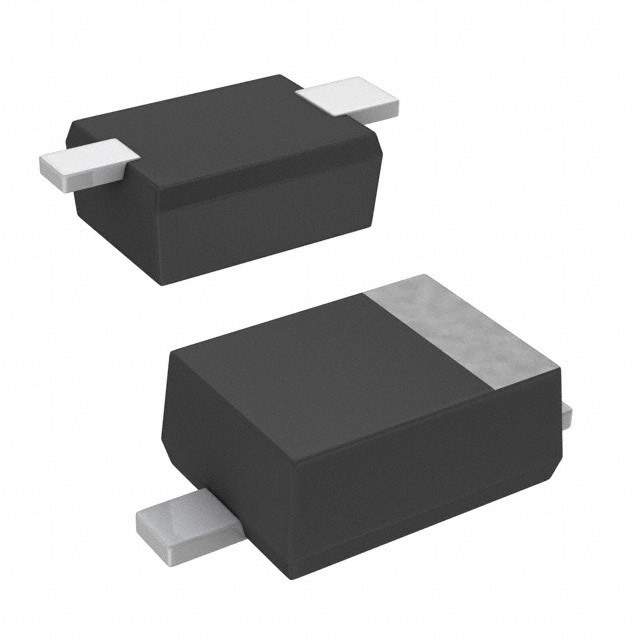
39 V zener, 200 mW ceiling, SMini2-F5-B, -40°C to 85°C: usable, but lifecycle conflict changes the call.
Quick Engineering Summary
| Field | Value |
|---|---|
| Manufacturer | Panasonic |
| Category | Diodes - Zener - Single |
| Package | SMini2-F5-B |
| Core function | DIODE ZENER 39V 200MW SMINI2 |
| Key electrical range | Operating Temperature Range: -40°C ~ 85°C; Supply and Demand Status: Balance |
| Reported stock | 1950 pcs reported — confirm on RFQ |
The lifecycle conflict is the whole story
The weak point comes first: DZ2J390M0L shows Active in one field and 停止提供 in another. That conflict keeps it out of new design starts.
For a running line, it still works as a 39 V zener with EU RoHS compliance and MSL 1 (Unlimited).
Not for power clamping; fine for light 39 V reference duty
Wrong job first: don't treat DZ2J390M0L as a general clamp for energy-heavy transients. The 200 mW figure is a ceiling, not a normal dissipation point, and by itself it answers neither surge behavior nor thermal margin.
It fits low-power biasing, reference, or overvoltage limiting around a 39 V zener point in a compact surface-mount layout. The ±2.5% tolerance sets the accuracy expectation; if the threshold budget is loose, that is workable, and if it is tight, you still need the full voltage conditions from the datasheet.
39 V is useful, but the small-package limits decide the design
39 V is the deciding number. It tells you whether DZ2J390M0L belongs on the rail at all, because a zener nominal at 39 V is aimed at high-threshold limiting and reference work rather than low-voltage logic protection.
Then the package starts to matter more than the nominal zener voltage. The 200 mW rating is a hard ceiling for this SMini2-F5-B device, and once current rises, thermal headroom becomes the real limit long before a schematic-level reading of the circuit feels settled. Get that wrong and the outcome is straightforward: the diode runs out of thermal margin before the design intent says it should.
The rest of the listed electrical data helps define how narrow that fit is. Reverse leakage is 50 nA at 30 V, low enough to keep bleed current and standby error modest in high-impedance sensing nodes, but only at that stated reverse voltage. Forward drop is 1 V at 10 mA, useful for spotting accidental forward-conduction paths, yet irrelevant to reverse-side thermal behavior. Zzt is 300 Ohms maximum, which is the clearest warning against expecting a stiff shunt reference under changing current; with that impedance ceiling, line or load movement will appear as voltage movement unless the surrounding circuit can absorb it.
Temperature range is -40°C to 85°C. Good enough for ordinary industrial and commercial ambient ranges, but not a blanket answer for hotter enclosures.
Can you keep a line running on it?
The first buyer question is simple: is there enough material to cover the next build? Listed stock is 1950, package quantity is 3000, and the package format is Reel - TR.
That leads to a practical move for sustaining use: line up demand against a partial-reel buy now, then clear lifecycle status before letting DZ2J390M0L spread to another assembly. Supply and demand is marked Balance, but the finite stock number matters less than the lifecycle conflict.
The missing data is exactly what closes the thermal call
The gaps are concrete.
This listing does not give a derating curve, thermal resistance, surge current, pinout drawing, or package drawing. For DZ2J390M0L, those are the details that close the real call: ambient headroom against the 200 mW ceiling, pulse survival, and whether board land pattern and orientation match existing production.
View the Win-Source product page for DZ2J390M0L.
Key Takeaways for Engineers & Buyers
- Hold DZ2J390M0L to existing production unless Panasonic clears the stop-supply conflict.
- Budget around the 200 mW ceiling; this listing does not give thermal resistance or a derating curve.
- Buy in reel context: package quantity is 3000 while listed stock is 1950.