
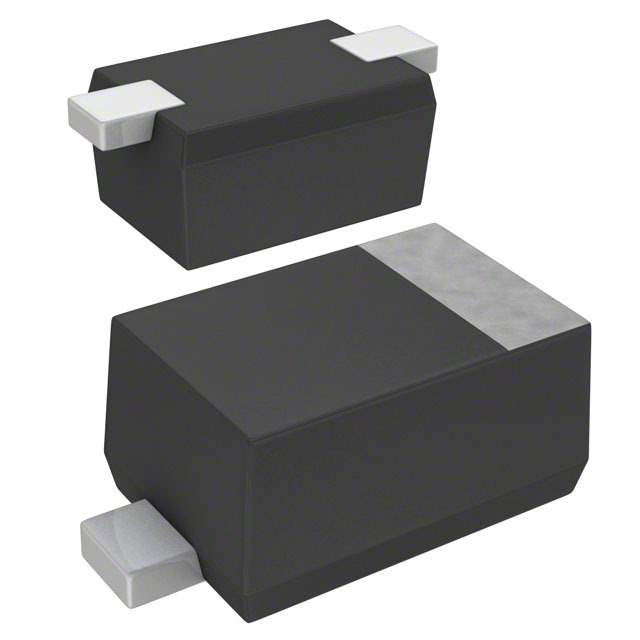
6.8V zener, 150mW ceiling, SSMini2-F5-B package, ±2.5% tolerance, lifecycle conflict in the listing
Quick Engineering Summary
| Field | Value |
|---|---|
| Manufacturer | Panasonic |
| Category | Diodes - Zener - Single |
| Package | SSMini2-F5-B |
| Core function | DIODE ZENER 6. |
| Key electrical range | Current - Reverse Leakage @ Vr: 100nA @ 4V; Maximum Power Dissipation: 150mW; Supply and Demand Status: Balance; Tolerance: ±2.5% |
| Reported stock | 90000 pcs reported — confirm on RFQ |
90000 pieces do not settle the lifecycle question
90000 pieces help a running line, not a new one. The listing shows Active, yet it also carries 停止提供, so the safe call is sustaining only. EU RoHS is listed.
Not for power dumping; fine for light zener duty
Heavy energy absorption is the wrong job for this diode. The 150mW maximum power dissipation is a ceiling, not a working target, and it rules out designs that expect the zener to soak up repeated excess energy without the thermal detail this listing does not provide.
It fits low-power rail trimming, light clamp duty, and compact bias networks where 6.8V is the needed nominal point and the SSMini2-F5-B body is the package you can actually place. The ±2.5% tolerance tightens the voltage spread you must absorb elsewhere, but no operating temperature field is listed.
And the electrical limits still leave two real questions
And the 6.8V nominal still does not close the design. The 20 Ohm maximum zener impedance tells you how soft the knee may be under bias changes, so regulation and clamp stiffness are only partly answered here. If the node is sensitive to current swing, that number decides whether the rail moves more than you can tolerate.
The other useful limit is 100nA at 4V reverse leakage. That is a small leakage ceiling at a stated reverse voltage, which helps in high-impedance sensing or keep-alive paths where off-state drain matters. The forward side is less forgiving than some buyers assume from a zener line item: 1V at 10mA is a forward-drop ceiling, so reverse use may be the intent, but accidental forward conduction still carries a dissipation cost you need to budget.
The missing datasheet items are the real stop signs
150mW is the decisive ceiling. This listing does not give the thermal context that makes that number usable. There is no thermal resistance, no derating curve, and no operating temperature field, so ambient headroom remains unknown. For a small SMD zener, that is not a paperwork detail; it is the difference between a harmless clamp and a hot spot that drifts or fails early.
Two more gaps matter before DZ2S068M0L goes beyond a sustaining buy. There is no pinout or package drawing here, even though the package naming also points to SC-79, SOD-523, and SSMini2-F5-B language that layout and assembly teams will want reconciled. There is also no surge or transient current figure, so this page does not tell you whether a short pulse event is routine use or abuse. Buy it for existing production if the footprint is already proven and the stock position suits your build window; do not let the stock number talk you into a fresh design win.
View the Win-Source product page for DZ2S068M0L.
Key Takeaways for Engineers & Buyers
- Hold DZ2S068M0L to sustaining BOMs until the Active versus 停止提供 conflict is cleared.
- Check clamp accuracy against the 6.8V nominal and ±2.5% tolerance before freezing thresholds.
- Match feeder setup to Reel - TR, 3k pcs, and SSMini2-F5-B before releasing the line.