
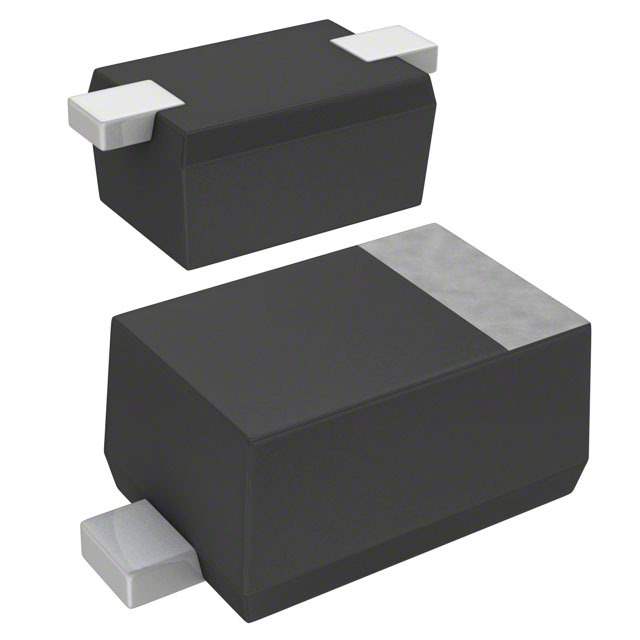
9.1V zener, 150mW ceiling, SSMini2-F5-B package, ±2.5% tolerance; lifecycle conflict drives the call
Quick Engineering Summary
| Field | Value |
|---|---|
| Manufacturer | Panasonic |
| Category | Diodes - Zener - Single |
| Package | SSMini2-F5-B |
| Core function | DIODE ZENER 9. |
| Key electrical range | Current - Reverse Leakage @ Vr: 100nA @ 6V; Maximum Power Dissipation: 150mW; Supply and Demand Status: Balance; Tolerance: ±2.5% |
| Reported stock | 5420 pcs reported — confirm on RFQ |
Use it to sustain, not to start
Sustaining only.
The lifecycle story is too conflicted for a fresh design. One field says Active, another says 停止提供, and that mismatch matters more than the electrical headline because it can block a release after the schematic work is already done. For an existing production build, the listed 5420 pieces and Reel - TR packaging make it usable now. For a new platform, don't treat the Active tag as enough. EU RoHS is compliant, so compliance is not the blocker.
150mW is the ceiling that decides the fit
150mW sets the fit.
The 9.1V zener value tells you the clamp target, but the 150mW maximum power dissipation decides whether DZ2S091M0L belongs in a light reference or protection role rather than one that must absorb repeated energy over time without much thermal margin.
That number is a ceiling, not a working point. If you miss it, the diode overheats before the nominal zener value does much good. The ±2.5% tolerance matters when the rail window is narrow, but it does not answer thermal headroom. The 20 Ohm maximum impedance matters too, because it sets how stiff the zener behavior can be under load change; if the circuit expects a very hard clamp, this listing does not support that assumption.
The package says small-signal clamp, not energy absorber
And the package points the same way.
This is an SMD zener in SSMini2-F5-B, with the row also calling out SC-79, SOD-523, so the physical format fits places where board area is tight and zener current is controlled, not jobs where the diode is expected to soak up abuse and rescue a loose design.
The forward figure, 1V at 10mA, works as a ceiling on forward conduction loss if polarity ever flips; it does not turn DZ2S091M0L into a general-purpose rectifier. The reverse leakage figure, 100nA at 6V, is low enough to keep bias networks honest, but the condition matters: it is stated at 6V, not at the 9.1V nominal zener point, so leakage behavior at the clamp voltage is still open.
That leaves a fairly narrow fit, and that's fine: local voltage reference duty, light clamp duty, dense SMT layouts, and designs that already know their current budget. It does not fit a role where surge handling or very low dynamic impedance carries the whole requirement.
Buy against the reel, not against optimism
Lifecycle ambiguity is the constraint.
There are 5420 pieces listed, with Reel - TR and 3k pcs quantity per package, so DZ2S091M0L is available for a running line. Cover the immediate build and buffer only what that build needs while the stop-supply versus Active conflict is resolved. Don't let a convenient reel format stand in for a long-term sourcing plan.
What the listing still doesn’t answer
20 Ohm isn't enough by itself.
Missing here are the derating curve, thermal resistance, surge or overload capability, package drawing with pinout, and operating temperature data.
View the Win-Source product page for DZ2S091M0L.
Key Takeaways for Engineers & Buyers
- Hold DZ2S091M0L for existing production; don't release it into a new BOM until the Active versus stop-supply conflict is cleared.
- Budget around the 150mW ceiling first; the 9.1V nominal value does not by itself close thermal fit.
- Match feeders to Reel - TR and 3k pcs packaging before scheduling a line build.