
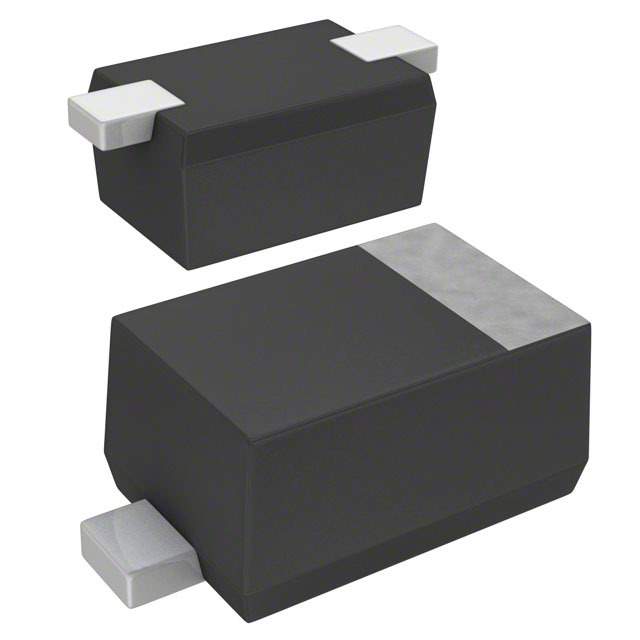
13 V zener, 150 mW ceiling, SSMini2-F5-B package, 50 nA at 10 V leakage
Quick Engineering Summary
| Field | Value |
|---|---|
| Manufacturer | Panasonic |
| Category | Diodes - Zener - Single |
| Package | SSMini2-F5-B |
| Core function | DIODE ZENER 13V 150MW SSMINI2 |
| Key electrical range | Supply and Demand Status: Balance |
| Reported stock | 2800 pcs reported — confirm on RFQ |
Sustaining only, not a clean new design-in
Not for new designs. The record says Active, but it also shows a stop-supply signal. That conflict is enough to keep DZ2S130M0L in existing programs only until Panasonic clears it up. EU RoHS is compliant.
150 mW is the limit that keeps this part honest
150 mW is the ceiling that decides whether this zener belongs in the circuit at all. It does not answer ambient headroom, pulse tolerance, or how much clamp abuse it can survive, because the derating curve and surge rating are not here.
The 13 V zener value settles the nominal clamp or reference point, but not regulation quality. The listed 35 Ohms maximum Zzt is the reason. In a rail monitor or bias network that may be acceptable; in a tighter reference role it can shift the result more than the nominal 13 V suggests. Reverse leakage is 50 nA at 10 V, which keeps light-bias nodes from being driven by leakage, while the 1 V forward drop at 10 mA is only a forward-conduction check, not a normal operating point.
So the fit is narrow and fairly specific
So that pushes the part toward small-signal shunt regulation, light overvoltage clamps, and bias protection on dense surface-mount boards where SSMini2-F5-B matters as much as the electrical rating.
It is a poor choice when the zener must absorb much energy, hold a rail tightly under changing current, or answer thermal questions in review, because the listing stops at 150 mW and 35 Ohms and leaves the thermal path, surge behavior, and dynamic curves unstated. Small package, small budget.
Wrong for broad stocking bets, fine for a defined running line
Wrong for broad stocking bets. Fine for a defined running line.
Listed stock is 2800 pieces, while the standard pack is 3000 on reel - TR. For an existing build that already uses DZ2S130M0L, that can work if demand is known and near-term. For a new release, it is one more reason not to lean on a part that already carries mixed lifecycle signals.
The other buy-side issue is market exposure: the open-market fake threat is listed at 90 pct. That does not condemn the device electrically, but it does argue for controlled channels and approved reels, especially when a line stop would cost more than the component.
The missing datasheet items are exactly the ones that close risk
35 Ohms maximum Zzt is useful, but it still leaves out the details that decide whether the part survives real transients or only looks acceptable in a static table.
Surge handling is the first gap. There is no IFSM or other overload figure, so clamp duty against startup spikes or fault energy remains open. Thermal detail is the next one: no thermal resistance and no derating curve, so the 150 mW ceiling cannot be turned into ambient headroom from this page alone.
Dynamic behavior is also thin. There is no junction capacitance for fast-node use, and no full voltage-current curve around breakdown to show how sharply the device reaches its 13 V region in practice. Mechanical certainty is still incomplete as well. The listing names SC-79, SOD-523, and SSMini2-F5-B, but it does not include the drawing or pin orientation needed to close a footprint review.
View the Win-Source product page for DZ2S130M0L.
Key Takeaways for Engineers & Buyers
- Hold DZ2S130M0L to light clamp and reference duties; 150 mW is the hard ceiling.
- Use the 35 Ohms Zzt as a regulation warning when rail accuracy matters.
- Buy in reel multiples where possible; package quantity is 3000 and listed stock is 2800.