
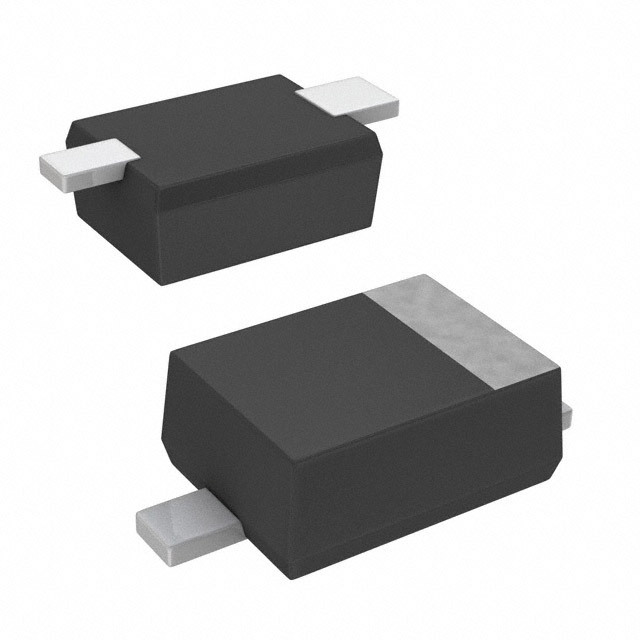
5.6 V, 150 mW, SC-89/SOT-490, 150°C ceiling; lifecycle conflict is the real decision point
Quick Engineering Summary
| Field | Value |
|---|---|
| Manufacturer | Panasonic |
| Category | Diodes - Zener - Arrays |
| Package | SC-89, SOT-490 |
| Core function | DIODE ZENER ARRAY 5. |
| Key electrical range | Current - Reverse Leakage @ Vr: 500 nA @ 2.5 V; Power - Max: 150 mW; Supply and Demand Status: Limited; Temperature Range - Operating: 150°C |
| Reported stock | 1 pcs reported — confirm on RFQ |
Can you start a new build on this?
Can this go into a new build? Probably not.
It shows Active, but it also carries a conflicting stop-supply signal, with stock at 1 and supply marked Limited. Keep it out of a fresh BOM. For an existing production line, it is still usable if the common-anode array and package already match, and EU RoHS is not the issue here.
The 150 mW limit is the real electrical ceiling
Power is the constraint here. The 150 mW rating is a ceiling, so this array belongs in low-power clamp and reference duties; it does not say how much abuse it can absorb in a transient event, and it leaves any surge question open.
The 5.6 V zener value is nominal, with ±5% tolerance, so it sets the rough clamp target rather than a precision rail reference. The 1 V at 10 mA forward figure matters because this is a common-anode pair: if the array is driven forward, that drop becomes part of the dissipation budget. Then there is the 40 Ohms maximum impedance. That says the zener behavior is not especially stiff, so a circuit that needs a tight clamp under changing current may see more movement than the nominal 5.6 V suggests.
Wrong for surge-heavy clamps, fine for compact low-energy rails
Not for high-energy protection. There is no surge current figure, no derating curve, and no thermal resistance, so this is the wrong choice for any node where fault energy or repetitive pulses decide field life.
It does fit a dense surface-mount board that already wants a zener array in SC-89, SOT-490 or the listed SSMini3-F3-B footprint, and specifically wants 1 pair common anode. That topology is the real placement filter. If your schematic expects isolated single zeners or a common-cathode arrangement, this part is wrong before voltage even enters the conversation.
1 piece on hand is not a sourcing plan
1 piece is all the listing shows. Supply is marked Limited, and that is a line-stopper, not a rounding error.
Freeze DZ3S056D0L to repair builds or controlled demand only, and clear the Panasonic lifecycle signal before it goes back into routine purchasing. The tape-and-reel package suits assembly, but it does nothing to offset low availability paired with conflicting lifecycle status.
View the Win-Source product page for DZ3S056D0L.
The missing datasheet items are the ones that decide risk
The gaps matter.
DZ3S056D0L is missing the numbers that tell you whether the 150 mW ceiling is comfortable or fragile on a real board, and those omissions are exactly where application risk sits.
There is no thermal resistance, so you cannot connect the 150°C operating temperature limit to ambient headroom. There is no surge or overload current figure, so protection duty stays undefined. There is no pinout or package drawing in this listing, which matters because a 1 pair common anode array is easy to misapply if the footprint library was built around a different internal connection. There is also no zener test current detail behind the 5.6 V nominal value, so you cannot judge how representative that voltage is across your intended operating range.
Those are not academic gaps. They are the difference between a harmless low-energy clamp and a part that runs hot, clamps late, or lands on the board with the wrong internal node assignment.
View the Win-Source product page for DZ3S056D0L.
Key Takeaways for Engineers & Buyers
- Hold DZ3S056D0L to existing production until the Active versus 停止提供 conflict is resolved.
- Budget around the 150 mW ceiling, not the 5.6 V nominal zener value.
- Check the common-anode topology against the netlist before releasing the SC-89 footprint.