
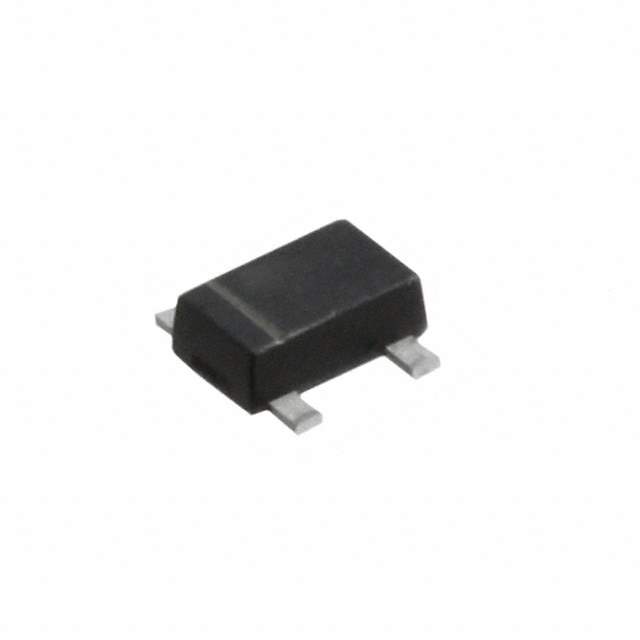
9.1 V, 200 mW, 20 Ohms, SMini4-F3-B: fit suits clamp duty, but lifecycle ends design-in.
Quick Engineering Summary
| Field | Value |
|---|---|
| Manufacturer | Panasonic |
| Category | Diodes - Zener - Arrays |
| Package | SMini4-F3-B |
| Core function | DIODE ZENER ARRAY 9. |
| Key electrical range | Supply and Demand Status: Limited |
| Reported stock | 1 pcs reported — confirm on RFQ |
9.1 V decides the function, but EOL decides the buy
9.1 V sets the nominal zener value, putting DZ4J091K0R in low-power rail limiting or signal clamp work around that threshold, not in any design that still needs a qualified future source. The lifecycle call is unambiguous: EOL in one field and Obsolete in another. That ends the new design-in case.
For sustaining use, the assembly details are plain enough: surface mount in SMini4-F3-B, reel packaging, MSL 1 (Unlimited). Compliance is not. One field says RoHS Compliant and another says RoHS Non-Compliant, so EU RoHS status remains unresolved and that conflict needs clearing before any regulated shipment.
The electrical limits are modest, and that matters
That also makes the listed electrical numbers more important for fit than for sourcing. The 200 mW figure is a ceiling, not a working dissipation point, and it keeps DZ4J091K0R in small-signal protection duty rather than anything expected to absorb sustained energy. If clamp events are frequent or ambient is harsh, this number alone is not enough because the derating behavior is absent.
The 20 Ohms maximum zener impedance is the other figure that can change the decision. In a loose clamp role it may be acceptable, but in a threshold-setting path that impedance can shift actual clamp behavior enough to matter, especially since the rest of the listing gives no tolerance field for the 9.1 V nominal value. That missing tolerance is not a footnote; it separates a protective shunt from a reference you can trust.
Forward conduction is only partly described: 1 V at 10 mA. That tells you the array can conduct forward like a diode under that condition, but it still leaves thermal design and surge behavior open. Reverse leakage is listed as 100 nA at 6 V, which helps if the protected node is high impedance, yet it says nothing about behavior near the zener region where the clamp actually has to work.
Use it only to keep a line alive
Sustaining only.
Use DZ4J091K0R when the board already exists, the footprint is fixed at 4-SMD with SMini4-F3-B, and the circuit needs two independent 9.1 V zener elements in a very small power envelope. With stock at 1 and supply marked Limited, keep it off any fresh AVL.
The missing curves are the real review blocker
The constraint is missing electrical context. DZ4J091K0R needs a zener-voltage tolerance, a power derating curve, and thermal resistance data before ambient headroom can be judged with confidence. Without those, the 200 mW ceiling stays a label rather than a usable thermal budget.
Two more gaps matter in practice. There is no pinout or package drawing here, so footprint confirmation still depends on the datasheet, and there is no surge or overload figure such as a non-repetitive current limit to show how this array behaves when the clamp event is not gentle.
View the Win-Source product page for DZ4J091K0R.
Key Takeaways for Engineers & Buyers
- Block new BOM releases on DZ4J091K0R; lifecycle is EOL.
- Reserve the single listed unit only for failure analysis or an urgent sustaining build.
- Check the 20 Ohms zener impedance against clamp accuracy before using DZ4J091K0R in a tight threshold path.