
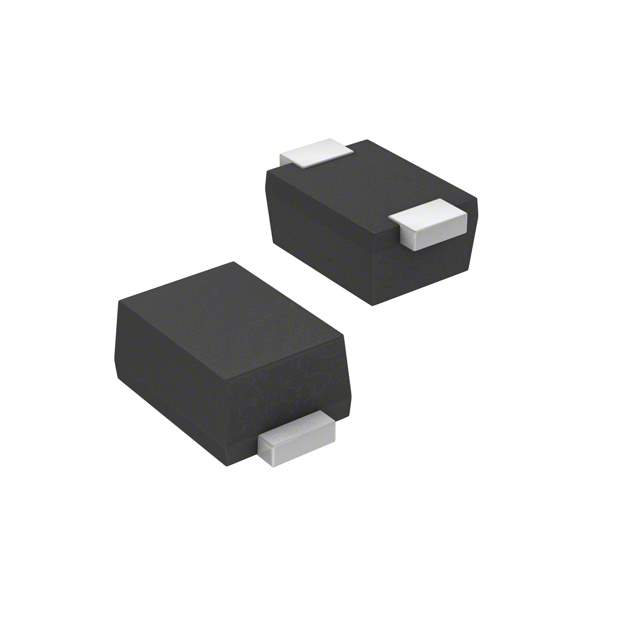
24 V zener, 200 mW ceiling, SOD-923, -65°C to 150°C TJ, with a lifecycle conflict that changes the call
Quick Engineering Summary
| Field | Value |
|---|---|
| Manufacturer | Diodes Incorporated |
| Category | Diodes - Zener - Single |
| Package | SOD-923 |
| Core function | DIODE ZENER 24V 200MW SOD923 |
| Key electrical range | Current - Reverse Leakage @ Vr: 100 nA @ 18.9 V; Power - Max: 200 mW; Temperature Range - Operating: -65°C ~ 150°C (TJ); Tolerance: ±5% |
| Reported stock | 197304 pcs reported — confirm on RFQ |
Still usable, but not a clean new design-in
And that lifecycle conflict decides the part before the electrical details do. DZ9F24S92-7 is listed as Active, yet another field says stop supply, so the conservative call is sustaining designs only. If it is already qualified in an existing production build, the numbers here support keeping it in place while status gets sorted out. For a fresh design, they do not clear the lifecycle risk.
The rest of the commercial picture is simpler: EU RoHS compliant, REACH unaffected, MSL 1 (Unlimited), reel packaging, and 197304 pieces shown in stock. Good availability today does not cancel a conflicted lifecycle signal.
200 mW is the ceiling that keeps this in small-signal work
200 mW is the number that matters most. It is a ceiling, not a target, and it keeps this zener in light clamp and reference roles rather than anything expected to absorb repeated energy or sit near the edge of dissipation for long periods.
The 24 V zener value settles one decision and leaves another open. It tells you the nominal clamp region you are buying, with a ±5% tolerance that may fit loose protection thresholds and may miss tighter reference jobs. What the listing does not show is the test current behind Vz, so there is no direct read on how the device reaches that region under your actual bias condition.
Two more limits shape the fit. Reverse leakage is listed as 100 nA @ 18.9 V, low enough to matter on high-impedance sensing nodes, but only at that stated reverse voltage. Forward conduction is 900 mV @ 10 mA max, useful for checking accidental forward bias and the dissipation budget it implies, not as a normal operating point. Then there is 70 Ohms maximum zener impedance, and that is the warning flag for regulation stiffness because in a tiny SOD-923 body with a 200 mW ceiling, high Zzt means clamp voltage can shift more with current than tighter rails usually tolerate.
Wrong for surge-heavy clamps, right for dense low-energy boards
Not for surge-heavy protection. The listing gives no surge current figure, and the SOD-923 package plus 200 mW ceiling already point away from line-side abuse, hot-swap punishment, or any rail where transient energy is the real problem.
It fits dense surface-mount boards that need a 24 V nominal zener in very little area: light signal clamping, bias protection, or simple voltage limiting where leakage matters and board height is tight. The -65°C to 150°C junction range is broad enough for harsh ambient planning, but it is still a junction limit, not proof of ambient headroom. Small package, small budget.
What would close the open questions
What is still missing before you trust the margins? The key gaps are the zener test current for the 24 V rating, the derating curve behind the 200 mW limit, surge current capability, and a package drawing with pad guidance.
View the Win-Source product page for DZ9F24S92-7.
Key Takeaways for Engineers & Buyers
- Hold DZ9F24S92-7 to clamp and reference duties that fit a 200 mW ceiling.
- Check board space and handling against the SOD-923 package before locking the footprint.
- Resolve the Active versus stop-supply conflict before approving DZ9F24S92-7 for a new BOM.