
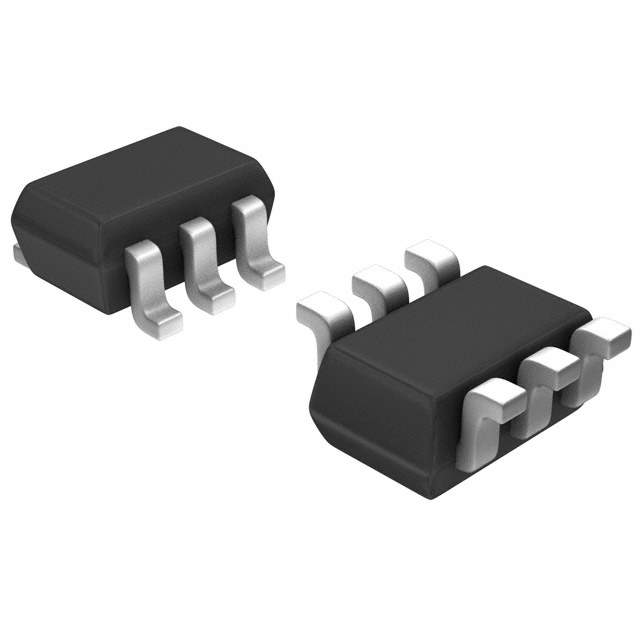
40V supply ceiling, 3A output limit, SOT-363 package, and -65°C ~ 150°C operating range decide the fit.
Quick Engineering Summary
| Field | Value |
|---|---|
| Manufacturer | Diodes Incorporated |
| Category | PMIC - OR Controllers, Ideal Diodes |
| Package | Tape & Reel |
| Core function | IC OR CTRLR N+1 SOT363 |
| Key electrical range | Current - Output (Max): 3A; Current - Supply: 11.6 µA; Temperature Range - Operating: -65°C ~ 150°C; Voltage - Supply: 40V |
| Reported stock | 23744 pcs reported — confirm on RFQ |
40V is the number that makes DZDH0401DW-7 usable
40V sets the boundary. If the ORing node can rise above that ceiling, this part drops out immediately; if the bus stays below it, the fit turns on current, package limits, and control behavior the short listing does not show.
The other early number is 3A for Current - Output (Max). That is a ceiling, not proof that any 3A path will run cool in SOT-363. With an internal switch and a P-Channel FET, the missing loss data matters more than the headline current limit, because the listing does not give on-resistance, voltage drop, or thermal resistance.
This one is a real new-design candidate
Yes, it is. Active lifecycle, EU RoHS compliance, and MSL 1 (Unlimited) remove the usual adoption friction for a small power-path controller.
Wrong for wide-open power-path guesses
Wrong for designs where power loss still has to be discovered from first principles. Right for compact N+1 ORing work where the architecture already matches a P-Channel controller with internal switch(s), surface-mount assembly, and a SOT-363 footprint.
That package call matters. This is not the part to pick when you want generous thermal mass, easy probing, or room to absorb uncertainty in conduction loss; it is the part to pick when board area is tight and the rail and load are already disciplined enough that a 40V ceiling and 3A ceiling make sense. The listed operating range of -65°C ~ 150°C is broad, but it does not settle the ambient question because derating behavior and the thermal path are not listed.
Can you keep a line running on it?
Can you get enough of it? With 23744 in stock, the first supply answer is yes for a running line. Tape & Reel packaging and a 3,000 standard package fit normal SMT flow, so buy in reel multiples that match build cadence instead of creating partial-reel handling for a tiny SOT-363 device.
One caution belongs here. The open-market fake threat is listed at 61 pct., so purchases belong on authorized or tightly controlled channels rather than casual top-up buys from mixed supply.
The missing electrical detail is the real review blocker
11.6 µA is attractive, but it is not the figure that closes the design. For an ORing controller, the absent items are the ones that decide whether the part behaves cleanly on a real rail: the listing does not give turn-on delay, turn-off delay, ratio - input, or any switching behavior beyond the bare statement that internal switch(s) are present. Those omissions leave startup sequencing and switchover behavior unresolved, and they matter more than a low supply-current headline when the rail has to move cleanly between sources.
The thermal and conduction picture is also unfinished. There is no on-resistance, no forward-drop behavior, no thermal resistance, and no package drawing or pinout here. Without those details, loss in the internal P-Channel path stays open, copper placement stays tentative, and there is no solid way to judge whether the 3A ceiling is comfortable or marginal in a given layout. The listed operating range and package name help frame the part, but they do not answer the practical questions that decide whether it will run with margin in a compact power path.
View the Win-Source product page for DZDH0401DW-7.
Key Takeaways for Engineers & Buyers
- Keep the rail at or below the 40V supply ceiling.
- Treat 3A as the output limit, not a default load point.
- Build reels around the 3,000 standard package and current stock of 23744.