
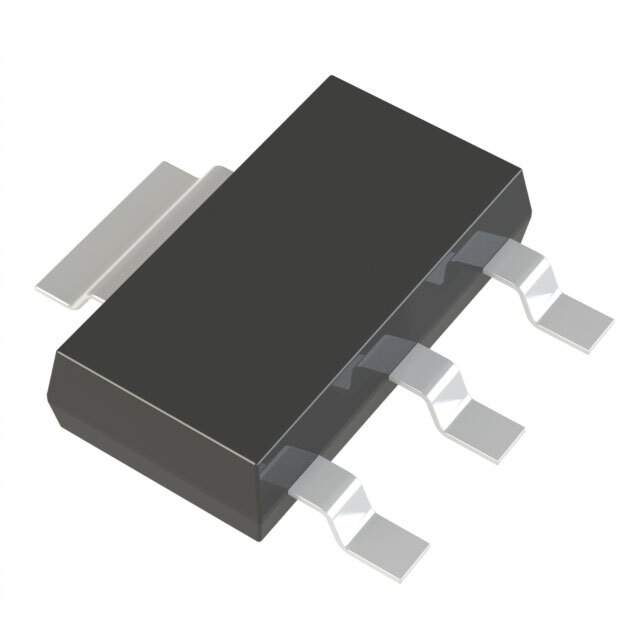
300 V, 500 mA, 1 W in SOT-223-3 with -65°C to 150°C TJ and AEC-Q101 listed
Quick Engineering Summary
| Field | Value |
|---|---|
| Manufacturer | Diodes Incorporated |
| Category | Transistors (BJT) - Single |
| Package | SOT-223-3 |
| Core function | TRANS NPN 300V 0. |
| Key electrical range | Operating Temperature Range: -65°C ~ 150°C (TJ); Supply and Demand Status: Limited |
| Reported stock | 17157 pcs reported — confirm on RFQ |
The 300 V ceiling is the reason to use it
The constraint is straightforward: voltage headroom comes first, then current and power. The 300 V collector-emitter breakdown rating is a ceiling, not a working rail, and it is the number that separates this device from ordinary low-voltage BJTs in clamp, startup, and bias networks.
The other listed ceilings keep that choice honest. A 500 mA collector current ceiling and 1 W maximum power do not say the part is comfortable there in every board condition; they mark the edge of the envelope. In SOT-223-3, that matters, because if your circuit spends real time near the 500 mA ceiling, the thermal path and copper area become the real design question, and this listing does not answer it.
Use it for sustaining and new builds
It is usable.
The lifecycle signals agree: Active, with no conflict against a new design-in. The series field names Automotive, AEC-Q101. That points to a narrow but useful fit: a surface-mount NPN for high-voltage small-signal work where 300 V matters more than brute current. The 50MHz transition frequency supports that reading, pointing to switching and amplification duties that need speed rather than power-transistor expectations.
The -65°C to 150°C (TJ) range gives a clear temperature ceiling for harsh environments, but the ambient story is still incomplete because junction-to-case thermal resistance and derating data are absent here. EU RoHS is listed, and MSL 1 (Unlimited) removes one handling issue on the floor.
What the listing still doesn't settle
So the gaps are specific. The full datasheet is still needed for pinout, package drawing, and thermal resistance, and the listing also omits safe operating area detail and any pulse-current figure.
The buy constraint is lead time, not stock on hand
25 Weeks is the number to act on first. There are 17157 pieces listed in stock, but the same record also says supply and demand is Limited. That is exactly the mix that makes a prototype buy easy while a production pull can still turn awkward.
The package format shapes the buying move too. DZTA42Q-13 is on Reel - TR with quantity per package of 2500, so this is something to plan into reel consumption rather than treat as a casual hand-to-mouth purchase for repeated builds. If demand is steady, place the reel order against the 25 Weeks lead time instead of assuming the current stock number will cover the next turn.
There is also a sourcing warning in the record: the open-market fake threat is listed at 51 pct. That is not an electrical spec, but it matters once the line is qualified. Keep DZTA42Q-13 on authorized channels, especially because the 300 V rating and AEC-Q101 tag are the claims a bad lot would mimic first.
View the Win-Source product page for DZTA42Q-13.
Key Takeaways for Engineers & Buyers
- Keep DZTA42Q-13 on high-voltage small-signal stages, not loads that lean on the full 500 mA ceiling.
- Book reel buys in 2500s early; 25 Weeks lead time and Limited supply status can stall a build.
- Pull the full datasheet for pinout and thermal resistance before locking the SOT-223-3 land pattern.