
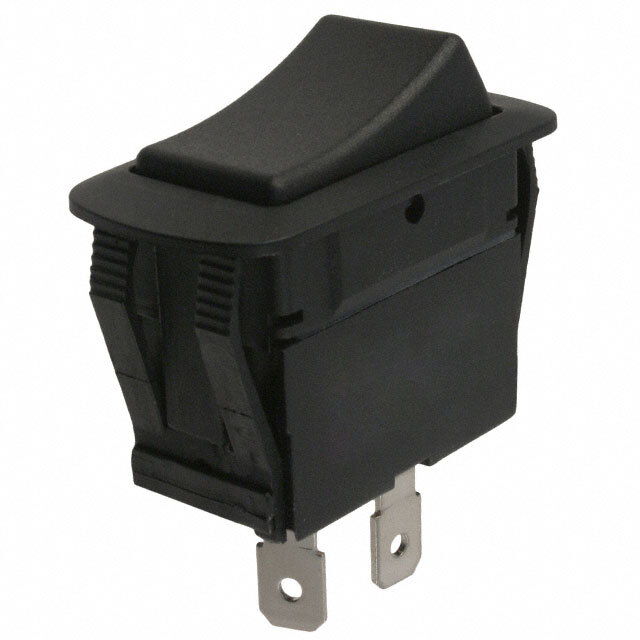
20 V AC/DC, 0.4VA, SPDT On-On, right-angle through-hole rocker, -30°C to 85°C
Quick Engineering Summary
| Field | Value |
|---|---|
| Manufacturer | C&K Components |
| Category | Rocker Switches |
| Package | Tray |
| Core function | SWITCH ROCKER SPDT 0. |
| Key electrical range | Current Rating (Amps): 0.4VA (AC/DC); Supply and Demand Status: Shortage; Temperature Range - Operating: -30°C ~ 85°C; Voltage Rating - AC: 20 V |
| Reported stock | 10 pcs reported — confirm on RFQ |
20 V and 0.4VA keep this in signal-level switching
20 V is the ceiling on both AC and DC, and 0.4VA is the other limit that matters just as much. Together they define the job: E101J1ABE2 belongs in low-power user-interface switching, not in anything that asks a rocker to interrupt real load energy.
The SPDT On-On circuit is useful, but it does not rescue an overloaded application. If your design needs rail selection, logic routing, or a simple mode change on a low-energy line, this part fits. If the switch is expected to carry lamp, motor, or power-entry duty, the listing already rules it out. The through-hole right-angle format and PC pins also point to a board-mounted panel control, where the switch body and the panel cutout have to work together mechanically.
The weak point is supply, not lifecycle
Shortage is the problem here, even though the lifecycle picture is clean. E101J1ABE2 is marked Active with no conflict, so the case against it is not obsolescence; it is that the listed stock quantity is 10, which is a thin starting point if this switch is meant to support a production release.
The mechanical fit is also specific. The rectangular panel cutout is 17.96mm x 10.62mm, the mounting is through hole, right angle, and the termination is PC pin. That combination tells you this is not a free-form panel part you can drop into any front panel late in layout. The board position, panel opening, and actuator presentation all need to line up from the start, or the mechanical stack becomes the failure point long before the electrical rating does.
Temperature range answers one question and leaves several others open. The -30°C to 85°C operating range places E101J1ABE2 in ordinary indoor and light industrial temperature bands, but it does not cover contact life at the ends of that range, sealing beyond flux protection, or how the actuator feels across it. cULus approval helps in regulated equipment builds, and EU RoHS keeps compliance straightforward, but neither one settles the mechanical endurance questions that usually decide whether a small rocker stays trouble-free in the field.
Wrong for power switching, right for panel logic selection
Not for power distribution. E101J1ABE2 fits a maintained SPDT On-On front-panel control with low electrical stress and a defined rectangular cutout.
Sealed flux protection helps during assembly, but it is not full environmental sealing.
What still has to come from the datasheet
What would a buyer ask for first before locking E101J1ABE2 into a product? Contact resistance and electrical life. With only 0.4VA to work with, small contact details matter because they show up as intermittent behavior long before a switch looks mechanically damaged.
Then get the mechanical drawing and pinout, plus any sealing detail beyond flux protection. The cutout size is here, but the body envelope, actuator height, and terminal geometry are not. Also absent are contact bounce, insulation resistance, and dielectric strength. Those items close the review for a front-panel switch, not another restatement of SPDT or black actuator color.
View the Win-Source product page for E101J1ABE2.
Key Takeaways for Engineers & Buyers
- Keep E101J1ABE2 on loads that stay within 0.4VA and 20 V AC/DC.
- Lock the panel to the 17.96mm x 10.62mm rectangular cutout before release.
- Cover the shortage now; listed stock is 10 and package is tray.