
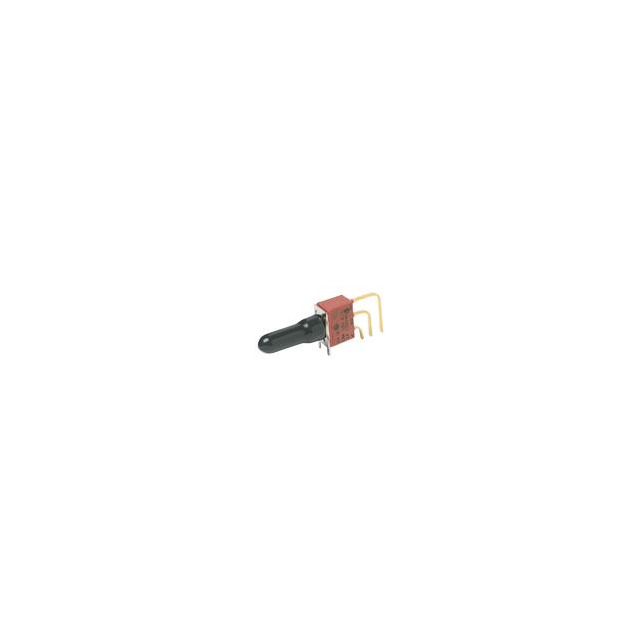
20 V ceiling, 0.4VA ceiling, SPDT through-hole pushbutton, -30°C to 75°C operating range
Quick Engineering Summary
| Field | Value |
|---|---|
| Manufacturer | C&K Components |
| Category | Pushbutton Switches |
| Package | Tray |
| Core function | SWITCH PUSH SPDT 0. |
| Key electrical range | Current Rating (Amps): 0.4VA (AC/DC); Supply and Demand Status: Shortage; Temperature Range - Operating: -30°C ~ 75°C; Voltage Rating - AC: 20 V |
| Reported stock | 1 pcs reported — confirm on RFQ |
Can you start a new build on E125SD1V3BE?
Can you put this into a new build and move on? Only if the switch is noncritical and easy to replace later.
Unknown lifecycle, a Shortage flag, and listed stock of 1 put the sourcing problem first. The hardware itself is straightforward: SPDT, On-Mom, through-hole, PC pin, round plunger, process sealed. That works for hand-operated board controls and serviceable assemblies, but it does not support long-run planning on its own.
For a running line, secure what you need now. For a fresh design, use E125SD1V3BE only when the footprint can absorb a sourcing change. EU RoHS compliance removes one paperwork objection, not the supply risk.
The 20 V and 0.4VA numbers are hard ceilings
This is light duty.
The key limits are 20 V and 0.4VA (AC/DC). Both are ceilings, not operating targets. The 20 V AC rating and 20 V DC rating place the switch on low-voltage control lines, and they do not support use above that ceiling or in mains-adjacent panel work. The 0.4VA rating is the other gate: even when the rail stays within 20 V, the contact load still has to remain inside that switching budget or contact life and field reliability become the failure point.
SPDT and On-Mom narrow the job further. E125SD1V3BE fits momentary signal selection or user input, not maintained state control.
Where E125SD1V3BE fits cleanly
0.4VA sets the boundary. It pushes E125SD1V3BE toward logic-level user inputs, low-energy control selection, and board-mounted operator interfaces where circuitry reads the switch rather than asking it to carry meaningful load current, and that matters more here than the SPDT contact form because the contact form gives you routing options while the VA ceiling decides whether the contacts stay in bounds at all.
The mechanical details point the same way. Through-hole mounting and PC pin termination suit boards that still want a soldered front-panel control instead of a cable-harness part. The round white plunger and no marking fit products where the enclosure legend defines the function, not the actuator. Process sealed also helps when the board will be washed or handled in a messy assembly flow.
The operating range of -30°C to 75°C covers ordinary indoor equipment and many industrial enclosures, but it remains a listed operating limit, not evidence of broader environmental qualification. No certification field is listed to extend that claim.
What the missing details still decide
20 V matters, but it is not enough.
The listing still needs contact resistance, mechanical and electrical life, and the drawing or pinout.
View the Win-Source product page for E125SD1V3BE.
Key Takeaways for Engineers & Buyers
- Keep E125SD1V3BE off rails above 20 V AC or 20 V DC.
- Use E125SD1V3BE only where 0.4VA contact loading is enough.
- Cover the shortage now; listed stock is 1.