
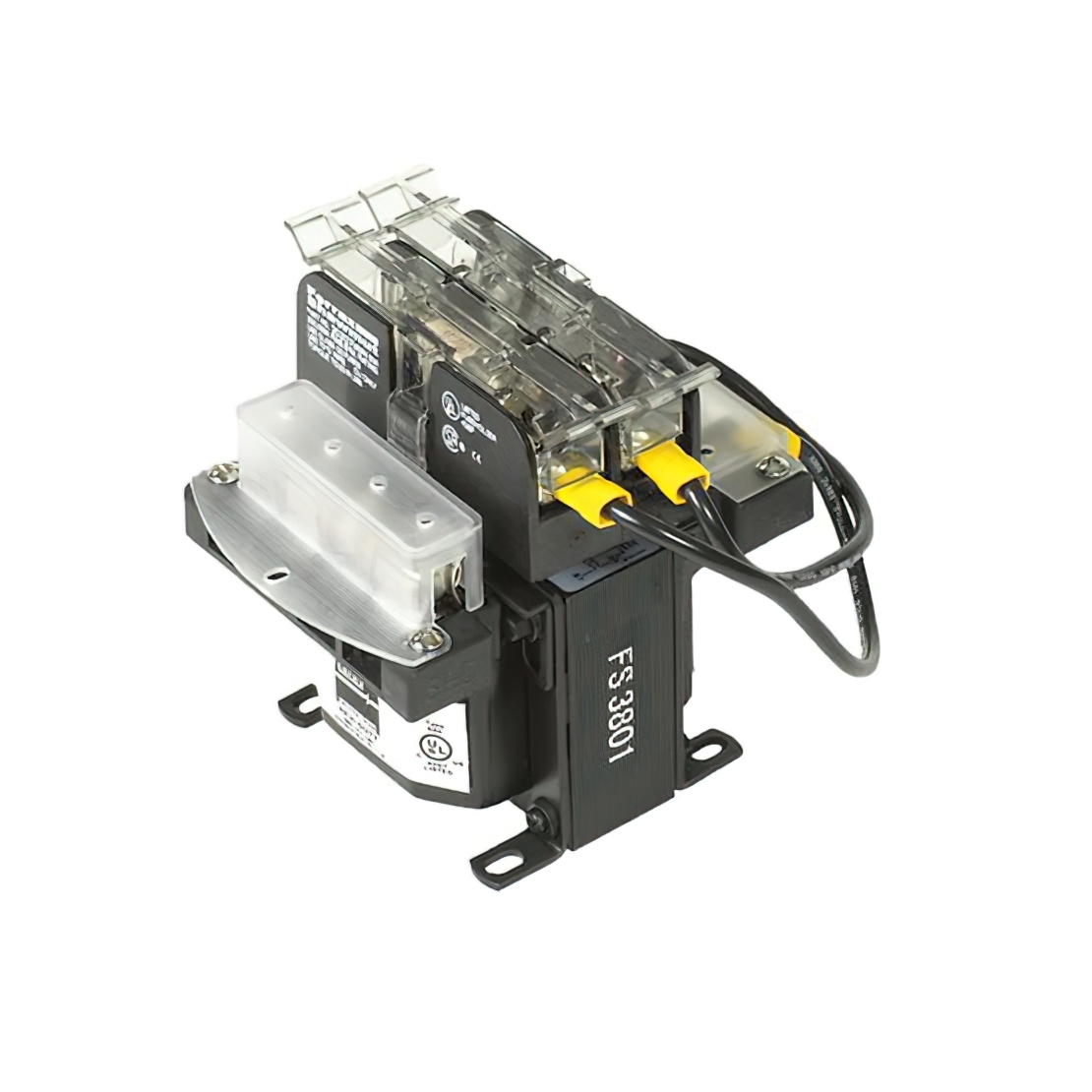
250VA ceiling, chassis mount, dual primary, single secondary with multiple taps, 133.40mm x 128.80mm x 115.10mm max
Quick Engineering Summary
| Field | Value |
|---|---|
| Manufacturer | SolaHD |
| Category | Power Transformers |
| Package | Bulk |
| Core function | PWR XFMR LAMINATED 250VA CHAS MT |
| Key electrical range | Power - Max: 250VA; Supply and Demand Status: Shortage |
| Reported stock | 8 pcs reported — confirm on RFQ |
Use it for new builds, but don’t treat supply as settled
Good for new design-in.
The lifecycle call is clear: Active, with no conflicting signal attached. The constraint is supply, not status. Stock is 8 and the supply status is Shortage, so this is not a part to place into a release and assume will stay available without a purchase plan tied to the build schedule. EU RoHS is straightforward here and does not complicate the decision.
This is a specific kind of transformer. The 250VA laminated-core, chassis-mount build puts it in mains-powered equipment with room for iron and mounting hardware, not in designs trying to save height or board area.
250VA is the ceiling that sets the whole mechanical trade
And that 250VA ceiling matters more than any missing voltage line at first, because it tells you what class of build E250TF belongs in even while it leaves the actual secondary rail unanswered. It is a ceiling, not a working load target, so it settles whether this is a small-signal or control transformer and leaves the exact operating point open.
The package numbers point the same way. At 133.40mm L x 128.80mm W with 115.10mm maximum seated height, E250TF needs real enclosure volume and a chassis meant to carry transformer mass. Those dimensions say nothing about thermal rise, but they do decide whether the mechanical team can place it at all. Dual primary winding helps when the input scheme needs that flexibility, while the single secondary with multiple taps means the output plan is tap-selected rather than split across separate secondaries.
Wrong for compact power stages, right for cabinet hardware
Not for dense PCB power. Not for low-profile boxes either.
E250TF fits cabinet equipment, industrial control assemblies, and other line-powered builds where chassis mount is normal and solder or quick-connect terminations are acceptable on the wiring side. The laminated-core construction and bulk package point the same way: this is hardware you mount and wire, not a drop-in board transformer.
The absence of a center tap narrows some rectifier and bipolar-rail options immediately. If the design expects a center-tapped secondary, E250TF is the wrong starting point before voltage even enters the discussion. If the design can use a single secondary with multiple taps, the tap structure may cover more than one output choice without changing the transformer.
The missing voltages are the real stop sign
250VA is not enough.
For E250TF, the biggest gap is electrical identity: primary voltage is not listed, secondary voltage is not listed, and isolation voltage is not listed. Those three values decide whether the transformer can sit on the mains input at all and whether the tapped secondary lands anywhere near the rails the rectifier and downstream regulation expect. Without them, you can classify the part, mount it, and source it, but you cannot finish the design decision.
Other omissions matter once those voltages are known. Output current is not listed, so the tap set cannot be matched to load branches. Weight is not listed, which matters on a chassis-mounted magnetic part this size because mounting method and panel stiffness are not abstract concerns at 250VA. A drawing or pinout is also absent here, and with solder plus quick-connect terminations, lead assignment is not something to guess.
View the Win-Source product page for E250TF.
Key Takeaways for Engineers & Buyers
- Reserve E250TF early; stock is 8 and supply status is Shortage.
- Check the enclosure against 133.40mm x 128.80mm footprint and 115.10mm max height.
- Pull the full electrical sheet before release; primary voltage, secondary voltage, and isolation voltage are not listed.